
Ghusl
There are two methods for making Ghusl (ritual bath) from Janābah (impurity due to sexual discharge), which are: the obligatory method and the perfect method.
As for the obligatory method, it goes as follows:
- Intending, by the heart, to remove the state of major ritual impurity by making Ghusl.
- Washing the whole body with water along with rinsing the mouth and sniffing water into the nose
The perfect method, on the other hand, combines what is obligatory and what is recommended in Ghusl, and it goes as follows:
- Washing your hands
- Washing the private parts with the left hand
- Performing a complete ablution, and it is permissible to delay the act of washing the feet until the end of Ghusl.
- Washing the head three times.
- If the woman’s hair is braided, she does not have to unravel these braids when taking a bath from Janābah, menstruation, or postpartum bleeding, if the water reaches the head and all the hair.
- Washing the whole right side of the body
- Then, washing the whole left side of the body
Special Cases in Tahārah
Tayammum (dry ablution):
One of the forms of facilitation in Islam is offering alternatives to water in case the Muslim is incapable of having access to water to make ablution or take a shower easily. An example is being on a journey and having sufficient water only for drinking. Other examples are being unable to buy water because it’s unavailable or the inability to buy it because of its high price. Further examples are when being incapable of using water due to sickness and having no one to help with making ablution, or in severe coldness that might harm a person, etc. In such cases, tayammum, i.e., using dust for purification, is permissible.
How to Perform Tayammum
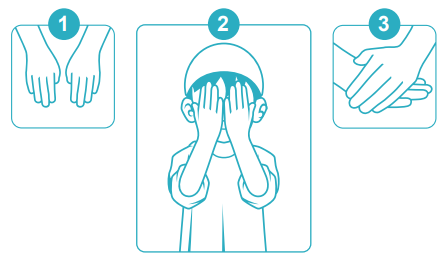
Intend to make Tayammum by the heart, then strike the dust with both hands once, then wipe the whole face and both hands with it.
The manner of making Tayammum is the same for both minor and major ritual impurities. After making Tayammum, performing all the acts of worship that require ritual purity becomes permissible. However, once the water becomes available, or there is an ability to use it, Tayammum becomes invalid, and it becomes obligatory to use water for ritual purification.
Wiping over Leather and Normal Socks:
If a Muslim is wearing leather socks or normal socks, he does not have to take them off when making ablution. Rather, it is sufficient for him to wipe over their outward surface with his wet hands when reaching the part about washing the feet. However, wearing them while being in a state of ritual purity is a prerequisite, i.e., he must wear them after making ablution and washing his feet; otherwise, he must take them off.
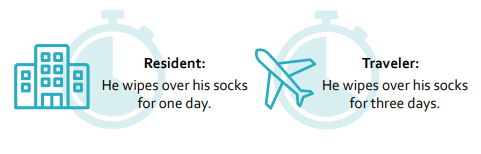
It is permissible for the resident to continue to wipe over them for one day and night. As for the traveler, he is permitted to wipe over them for three days and nights.