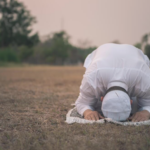
About Salah
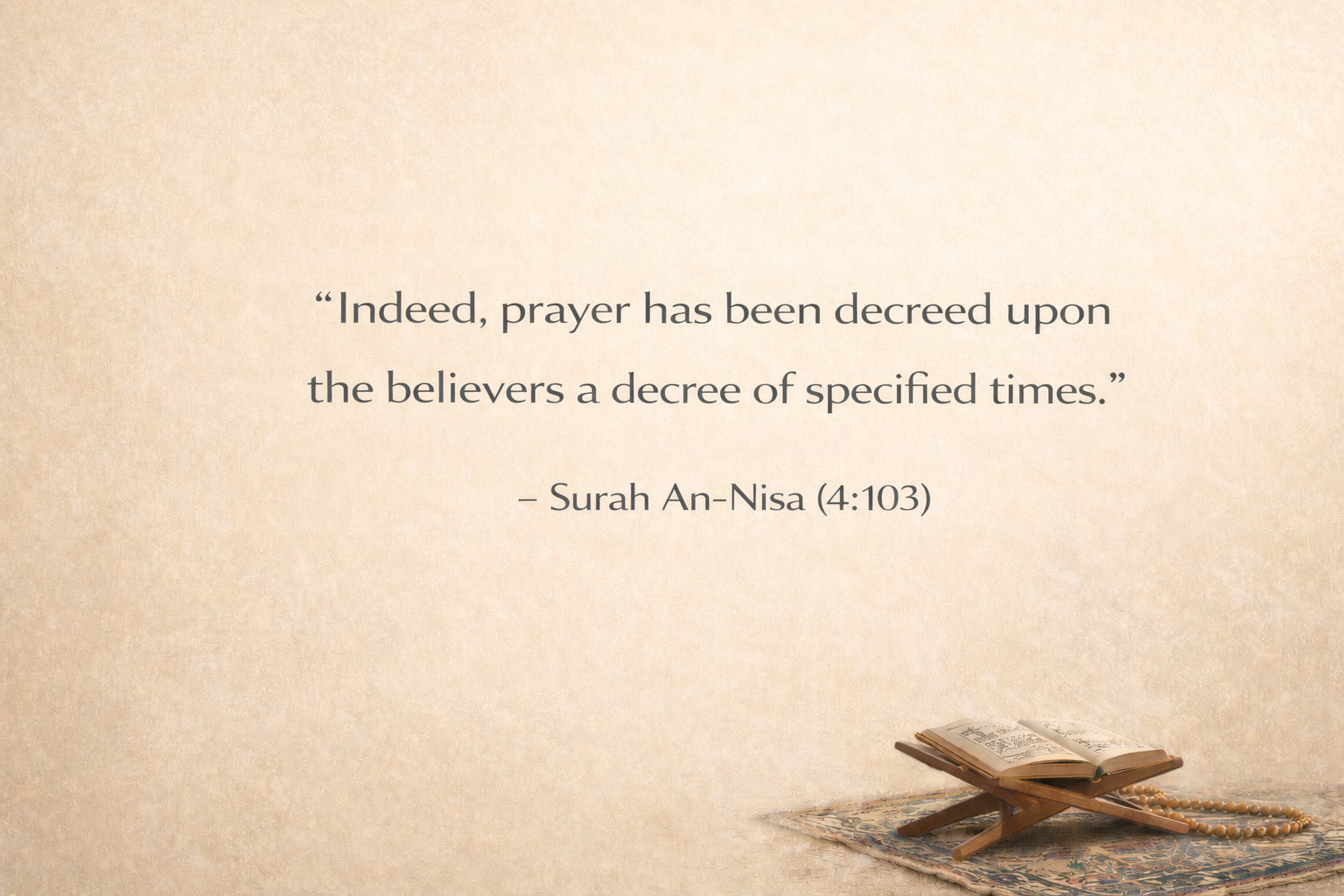
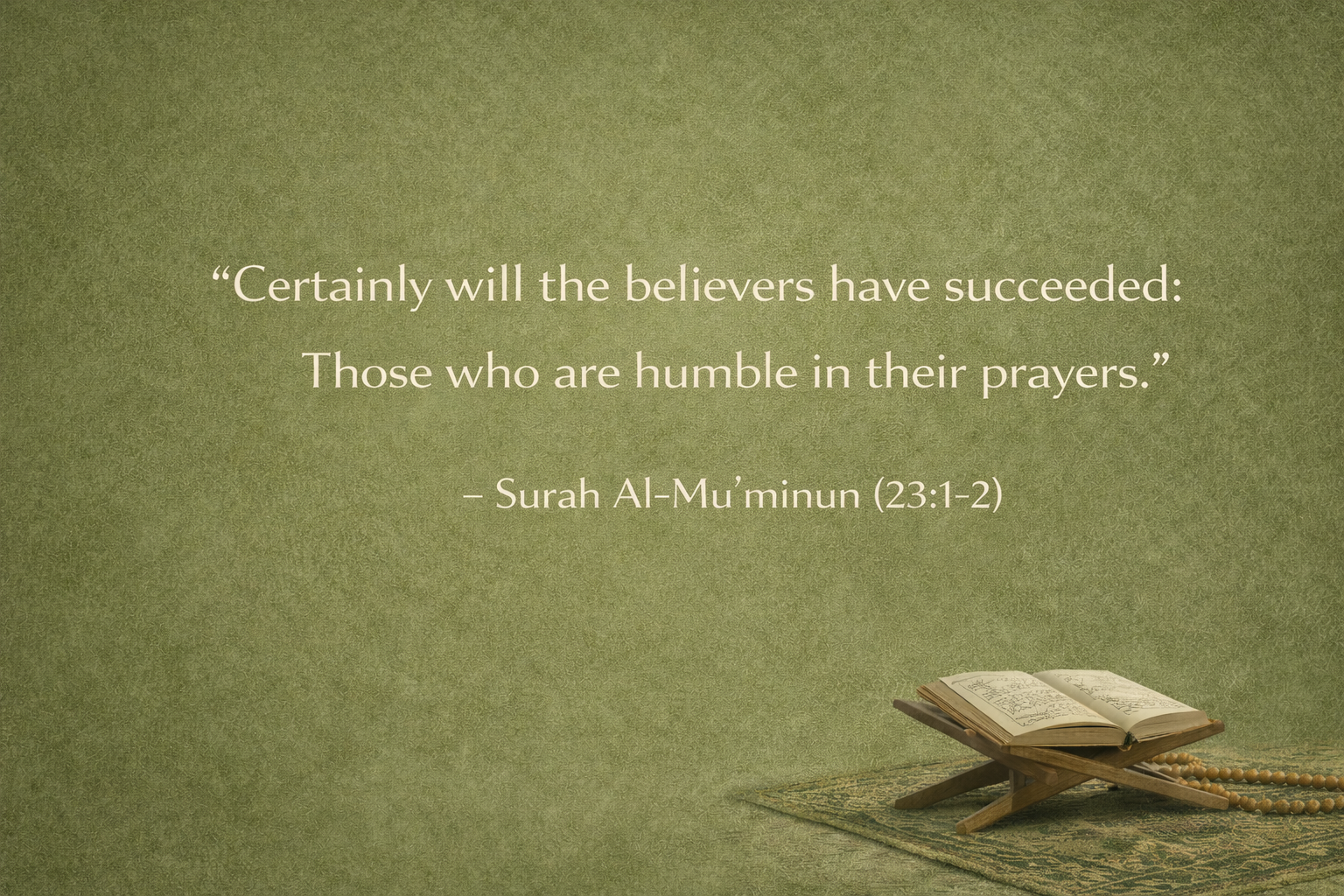
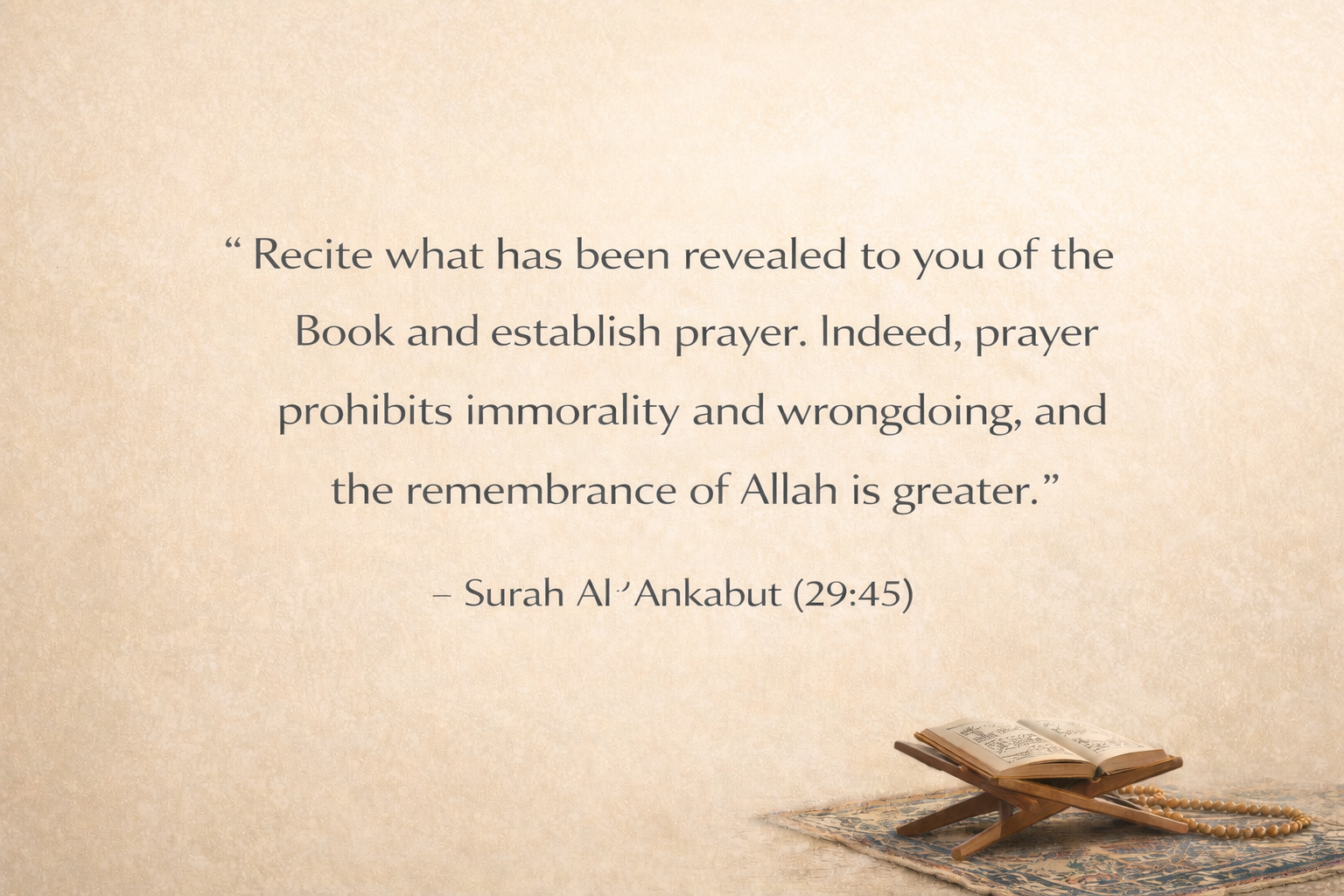
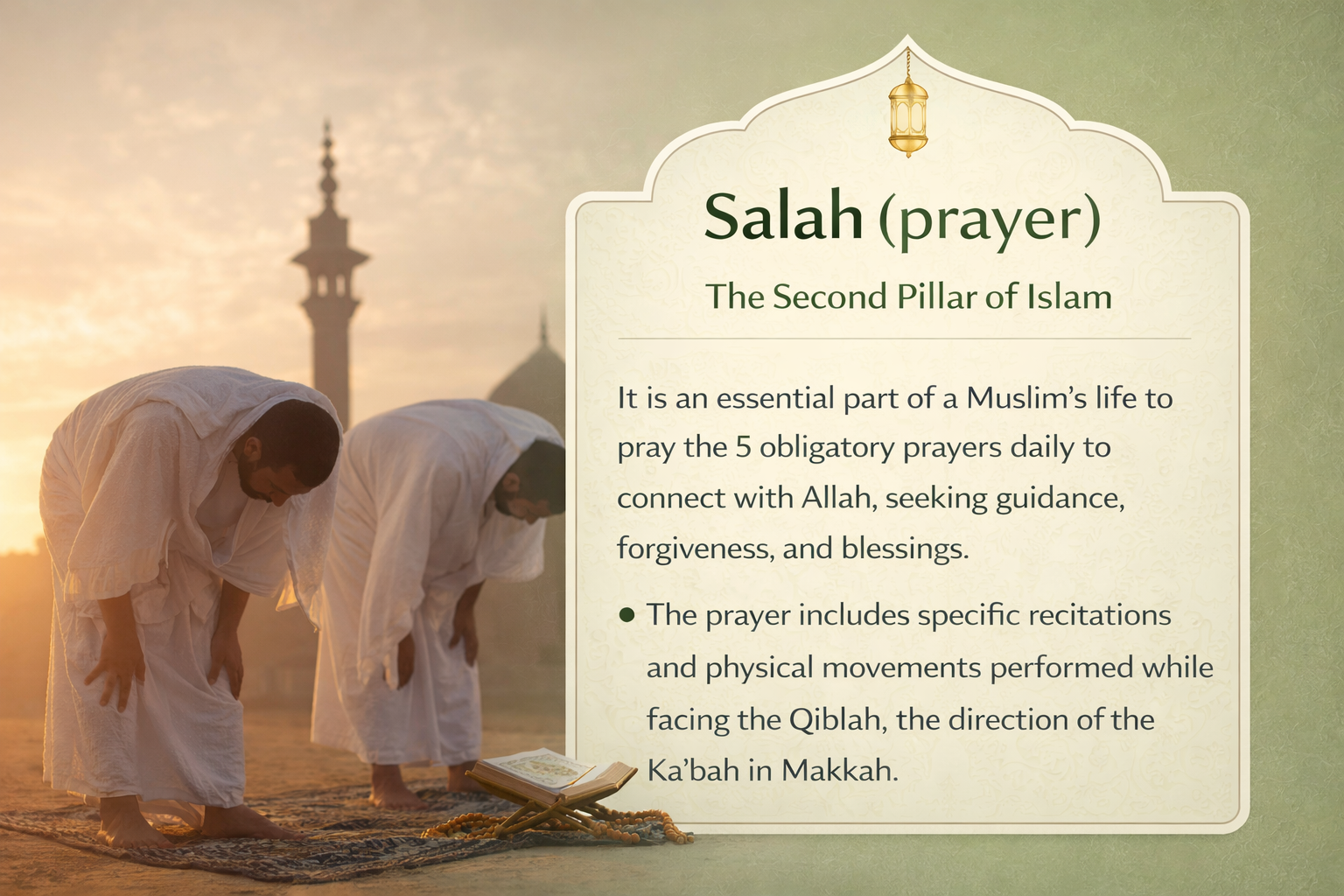
The first action for which a servant of Allah will be held accountable on the Day of Resurrection will be his prayers. If they are in order, he will have prospered and succeeded. If they are lacking, he will have failed and lost. If there is something defective in his obligatory prayers, then the Almighty Lord will say: ‘See if My servant has any voluntary prayers that can complete what is insufficient in his obligatory prayers. The rest of his deeds will be judged the same way.’ – [Hadith | Tirmidhi]
Salah - A Gift For The Believers
The obligation of Salah in Islam is closely linked to the event known as Al-Isra wal-Mi‘raj, the miraculous Night Journey and Ascension of the Prophet Muhammad (PBUH). During this extraordinary event, which occurred around the year 621 CE, the Prophet (PBUH) was taken in one night from Makkah to Masjid Al-Aqsa in Jerusalem, and from there ascended through the heavens.
During this journey, the Prophet (PBUH) met several of the earlier Prophets and led them in prayer. It was also on this night that Allah prescribed the five daily prayers for the Muslim community. This remarkable event remains central to the lives of Muslims today, as it established the five obligatory daily prayers that structure a believer’s day.
Obligatory Prayers
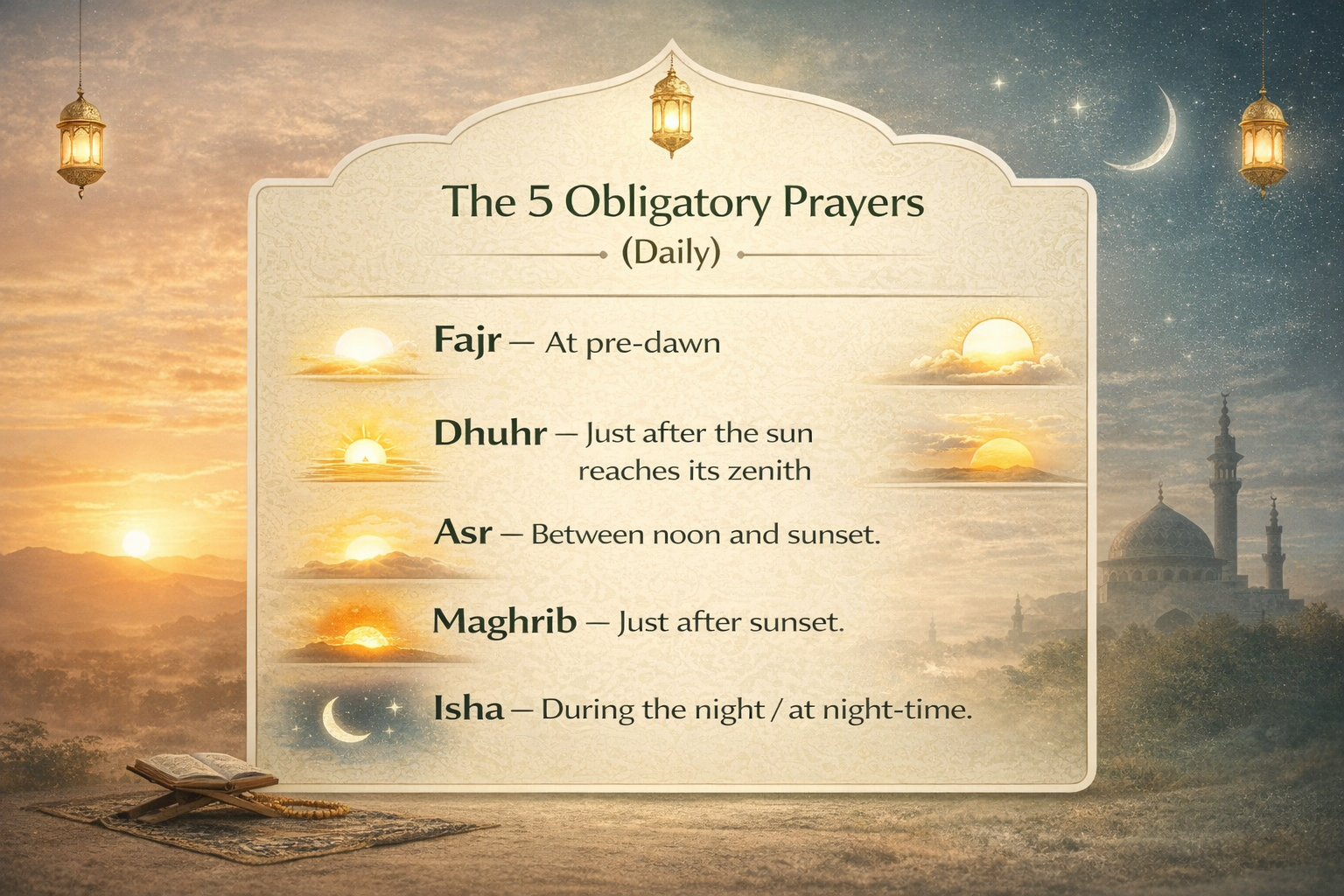
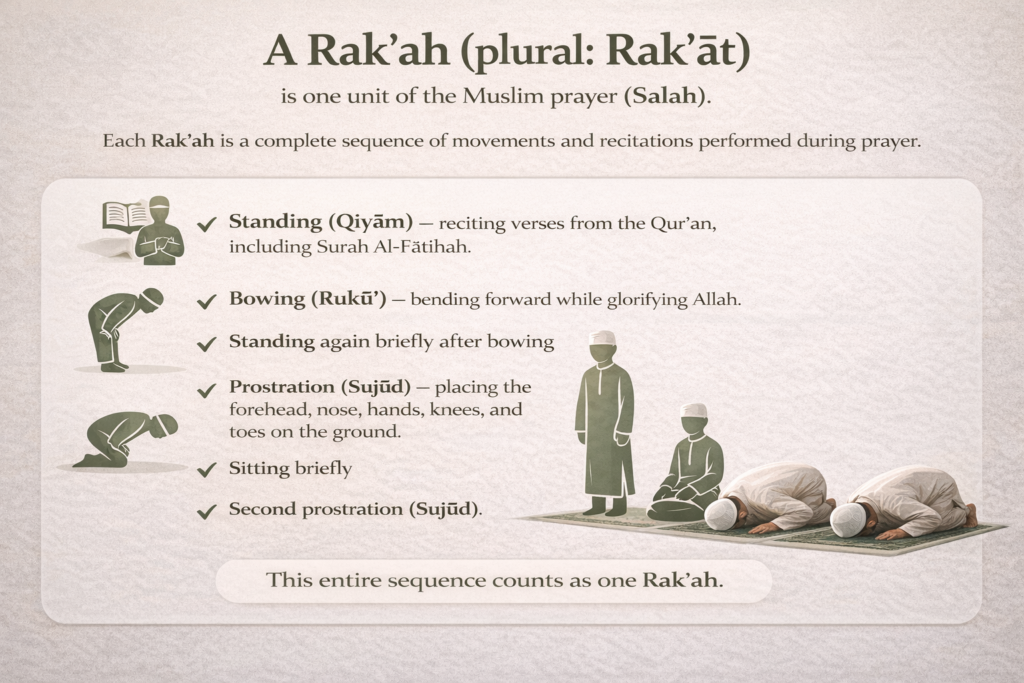
There are 5 daily fardh (obligatory) prayers. The five daily prayers contain different numbers of Rak‘āt:
Fajr: 2 Rak‘āt
Dhuhr: 4 Rak‘āt
Asr: 4 Rak‘āt
Maghrib: 3 Rak‘āt
Isha: 4 Rak‘āt
So when someone says a prayer has 4 Rak‘ahs, it means that this full cycle is repeated four times within that prayer.
| Salah | Rak'ahs | |||||
|---|---|---|---|---|---|---|
| Fajr | 2 supererogatory Rak’ahs | 2 Fardh (obligatory) Rak’ahs | ||||
| Dhuhr | 4 supererogatory Rak’ahs | 4 Fardh (obligatory) Rak’ahs | 2 supererogatory Rak’ahs | 2 supererogatory Rak’ahs | ||
| Asr | 4 supererogatory Rak’ahs | 4 Fardh (obligatory) Rak’ahs | ||||
| Maghrib | 3 Fardh (obligatory) Rak’ahs | 2 supererogatory Rak’ahs | 2 supererogatory Rak’ahs | |||
| Isha | 4 supererogatory Rak’ahs | 4 Fardh (obligatory) Rak’ahs | 2 supererogatory Rak’ahs | 2 supererogatory Rak’ahs | 3 Witr Rak’ahs (or any odd number) | 2 supererogatory Rak’ahs |
Voluntary Prayers
Whoever prays 12 Rak’ahs during the night and day, a house will be built for him in Paradise: Four before Zuhr and two after, two Rak’ahs after Maghrib, two Rak’ahs after Isha and two Rak’ahs before Fajr prayer. – [Hadith | Tirmidhi]
Aside from the five obligatory prayers, Muslims may offer Sunnah and Nafl Salah.
The Sunnah Salah (prayers) are ones in which Prophet Muhammad (peace be upon him) used to habitually offer as voluntary worship at specified times and places. Although these are optional, it is highly recommended to follow the Sunnah of the Prophet (PBUH) to maximise our rewards.
Nafl Salah are voluntary prayers that a Muslim may offer at any time as a form of extra Ibadah (worship).
Optional prayers include Salat al-Istikhara (the prayer of seeking guidance), Salat at-Tahajjud (prayed late at night) or Salat at-Tawbah (prayer for repentance).
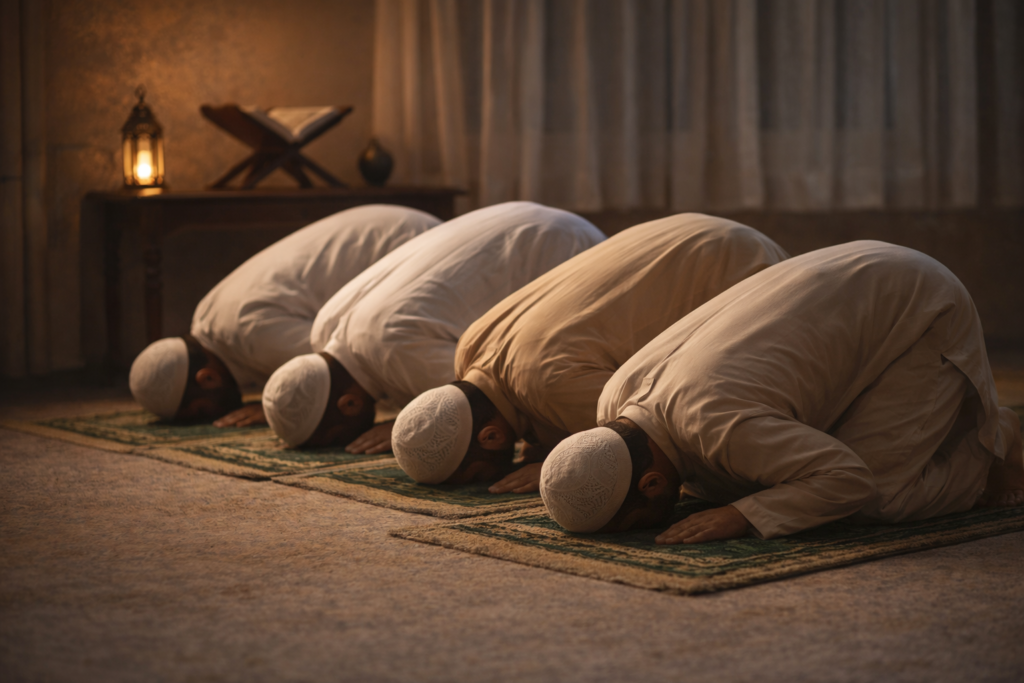
Witr Prayer
Witr is a night prayer in Islam that is usually performed after the Isha prayer, which is the final obligatory prayer of the day. Although it is not compulsory, it is strongly recommended and greatly emphasized in Islamic practice.
The term “Witr” in Arabic means “odd” or “uneven.” This refers to the fact that the prayer is performed in an odd number of Rak‘ahs (units of prayer).
A person may pray one, three, five, seven, or any other odd number of Rak‘ahs as Witr. In practice, many Muslims commonly perform three Rak‘ahs for Witr.
Witr is considered a voluntary (Nafl) prayer, yet it holds a special importance as a way to conclude the day’s prayers with worship and remembrance of Allah.
Witr is a duty, and whoever wants to pray Witr with seven (rak’ahs), let him do so; whoever wants to pray Witr with five, let him do so, whoever wants to pray Witr with three, let him do so; and whoever wants to pray Witr with one, let him do so. – [Hadith | Sunan an-Nasa’i]