The Qur’an
Tellus mauris a diam maecenas sed enim ut sem. Viverra accumsan in nisl nisi scelerisque eu ultrices vitae. Pellentesque eu tincidunt tortor aliquam.

Tellus mauris a diam maecenas sed enim ut sem. Viverra accumsan in nisl nisi scelerisque eu ultrices vitae. Pellentesque eu tincidunt tortor aliquam.
The Foundation of a Muslim’s Faith and Practice
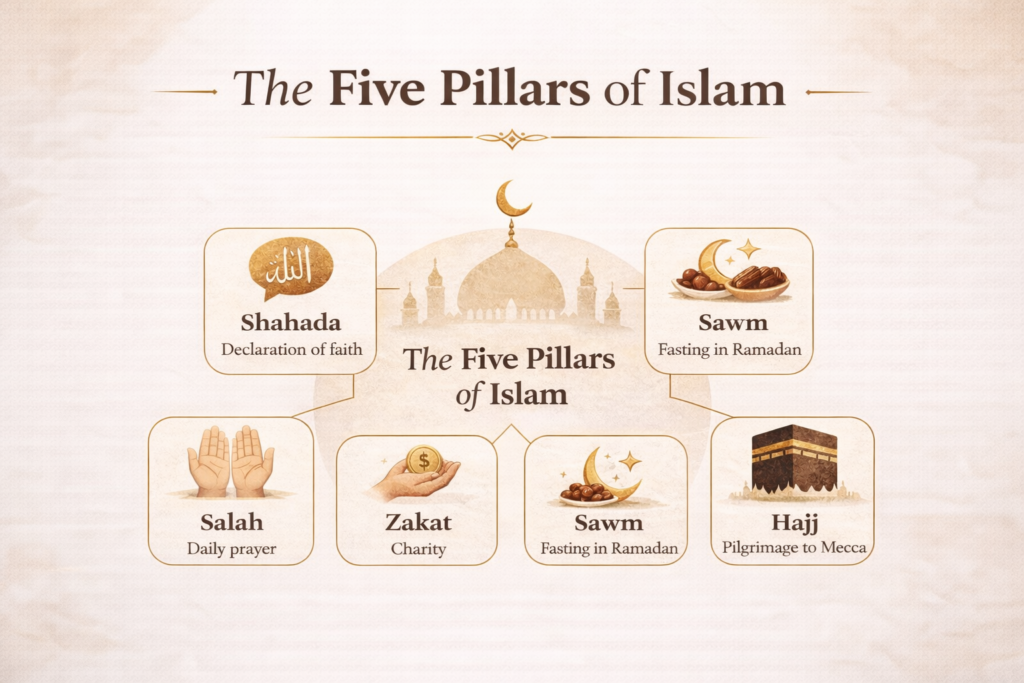
Islam is a complete way of life built upon clear foundations known as the Five Pillars of Islam. These pillars are the essential acts of worship that define a Muslim’s relationship with Allah and guide their daily conduct, spirituality, and responsibilities toward others.
“On the authority of Abdullah ibn Umar ibn Al-Khattab (may Allah be pleased with him) who said: I heard the Messenger of Allah (peace be upon him) say:
Islam has been built on five [pillars]: testifying that there is no god but Allah and that Muhammad is the Messenger of Allah, performing the prayers, paying the Zakah, making the pilgrimage to the House, and fasting in Ramadan.- [Bukhari & Muslim]
These pillars are practical obligations that nurture faith (īmān), discipline the soul, and create a balanced, just society.
The Shahādah is the foundation of Islam and the gateway into the faith. It is the sincere declaration:
“There is no deity worthy of worship except Allah, and Muḥammad ﷺ is the Messenger of Allah.”
By affirming the Shahādah, a person testifies to the Oneness of Allah (Tawḥīd) and accepts the message brought by Prophet Muḥammad ﷺ. This declaration must be made with conviction and is reflected through obedience, worship, and adherence to Allah’s guidance.
Allah says in the Qur’an:
“So know that there is no god worthy of worship except Allah…”
(Qur’an 47:19)
The Shahādah is not merely spoken once—it is a lifelong commitment that shapes belief, worship, and character.
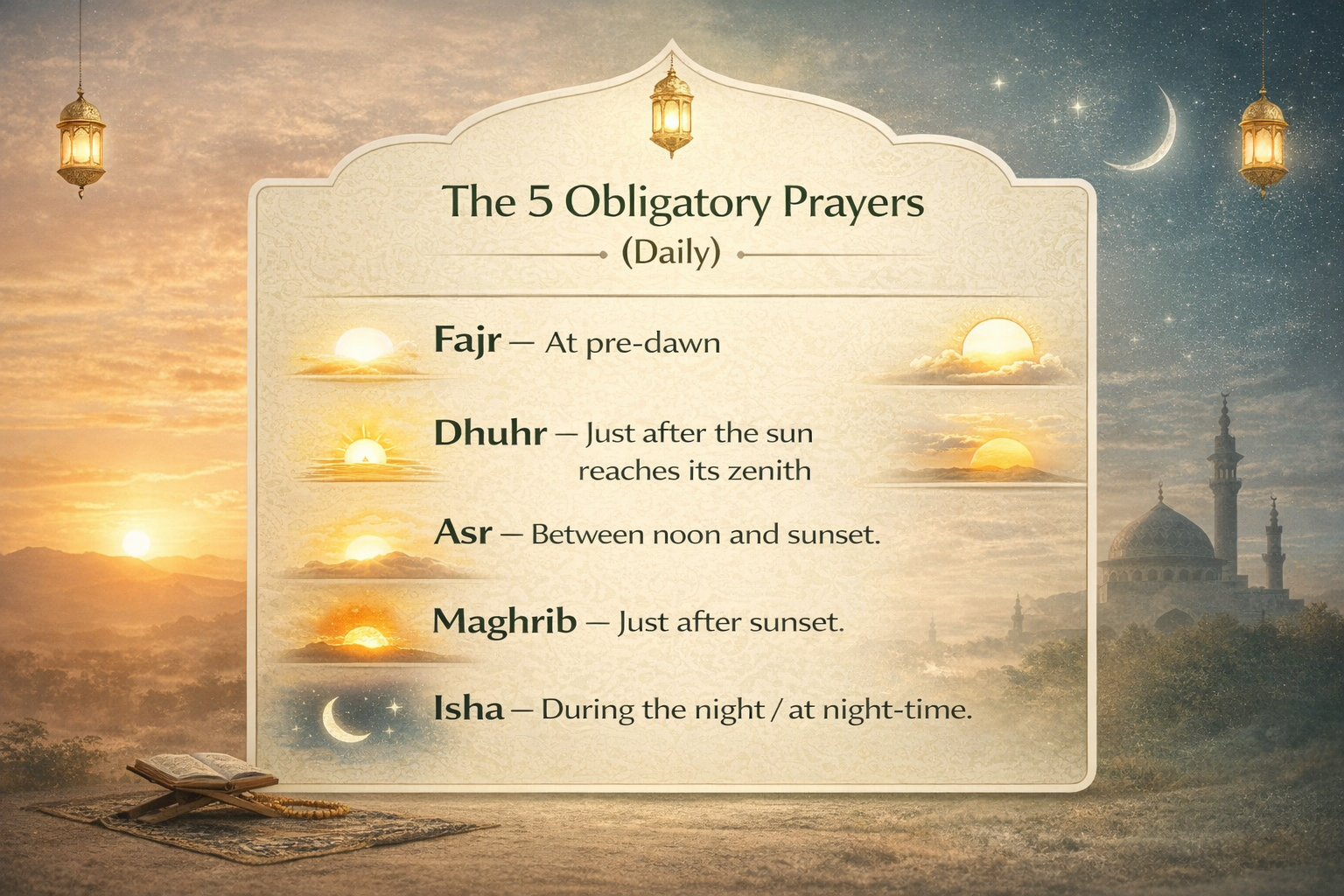
Ṣalāh (prayer) is the daily act of worship that maintains a constant connection between the believer and Allah. Muslims are required to perform five obligatory prayers each day at prescribed times.
Prayer instills discipline, humility, and mindfulness of Allah throughout the day. It is both a spiritual nourishment and a moral safeguard.
Allah says:
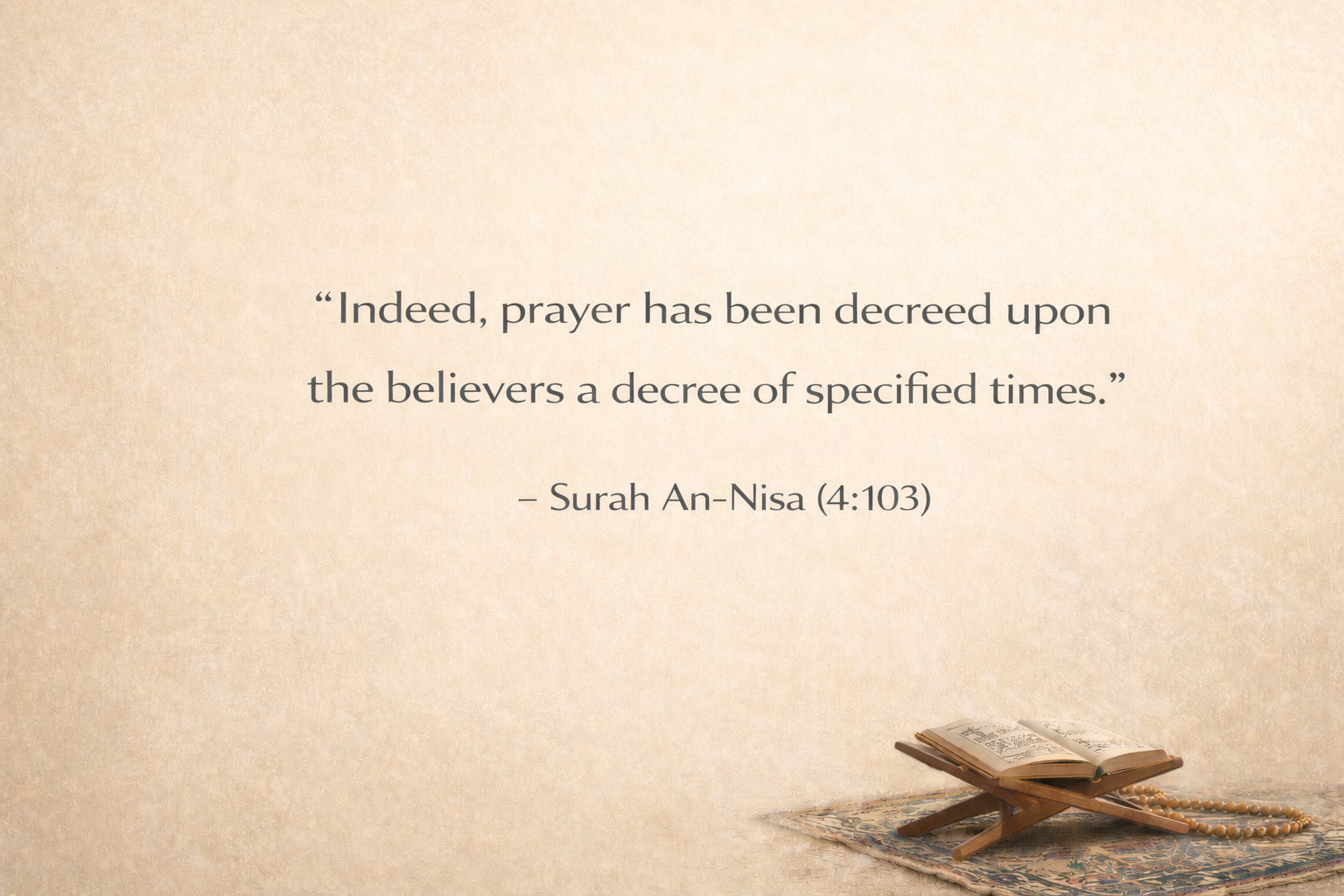
“Indeed, prayer has been decreed upon the believers at prescribed times.”
(Qur’an 4:103)
The Prophet ﷺ emphasized its importance:
“The first matter that the servant will be brought to account for on the Day of Judgment is the prayer.”
(Sunan al-Tirmidhī)
Ṣalāh is the pillar that sustains faith. When prayer is established, the rest of a believer’s life begins to align with righteousness.
Zakāh is a compulsory act of worship for Muslims who possess wealth above a specified threshold (niṣāb). It purifies wealth and ensures that society’s most vulnerable are cared for.
Zakāh is not optional charity; it is a right owed to those entitled to receive it, such as the poor, the needy, and others specified in Islamic law.
Allah says:
“Take charity from their wealth to purify and cleanse them.”
(Qur’an 9:103)
The Prophet ﷺ said:
“Charity does not decrease wealth.”
(Ṣaḥīḥ Muslim)
Through Zakāh, Islam cultivates generosity, social responsibility, and compassion, reminding believers that all wealth ultimately belongs to Allah.
Ṣawm (fasting) during the month of Ramaḍān is obligatory for every adult Muslim who is able. From dawn until sunset, Muslims abstain from food, drink, and marital relations, while also striving to control speech, thoughts, and behavior.
The purpose of fasting is to develop taqwā (consciousness of Allah).
Allah says:
“O you who believe, fasting has been prescribed for you as it was prescribed for those before you, that you may attain taqwā.”
(Qur’an 2:183)
The Prophet ﷺ said:
“Whoever fasts Ramaḍān with faith and seeking reward, his previous sins will be forgiven.”
(Ṣaḥīḥ al-Bukhārī, Ṣaḥīḥ Muslim)
Fasting trains the soul in patience, gratitude, and empathy, strengthening self-control and spiritual awareness.
Ḥajj is the pilgrimage to the Sacred House in Makkah and is obligatory once in a lifetime for Muslims who are physically and financially able.
Ḥajj is a profound act of worship that symbolizes unity, humility, and complete submission to Allah. Pilgrims from all backgrounds gather as equals, dressed simply, responding to Allah’s call. Ḥajj reinforces the global brotherhood of Islam and reminds believers of the Day they will stand before Allah.
Allah says:
“And [due] to Allah from the people is a pilgrimage to the House—for whoever is able to find a way.”
(Qur’an 3:97)
The Prophet ﷺ said:
“An accepted Ḥajj has no reward except Paradise.”
(Ṣaḥīḥ al-Bukhārī)

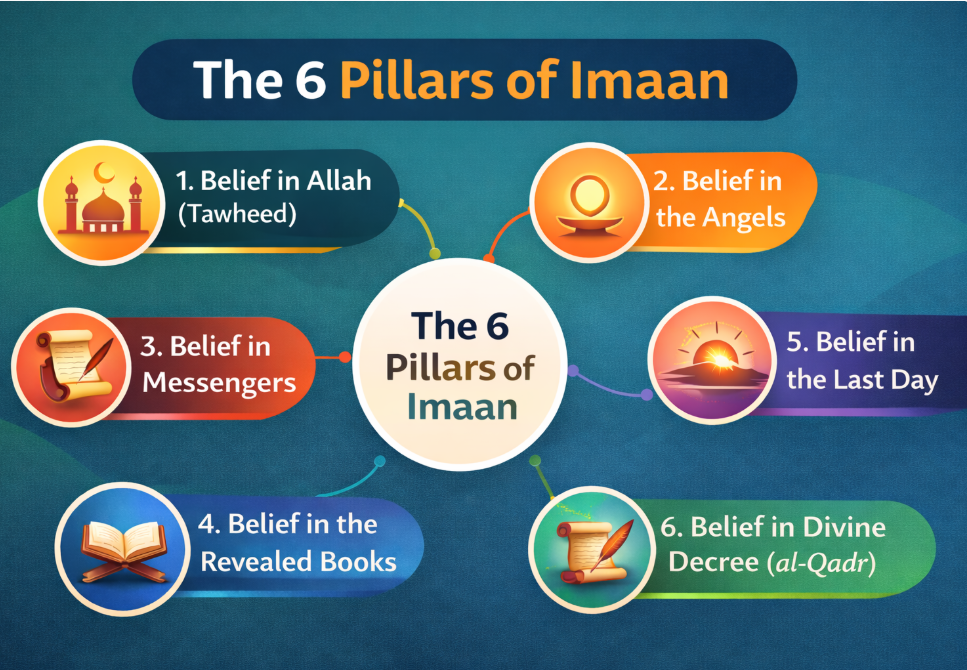
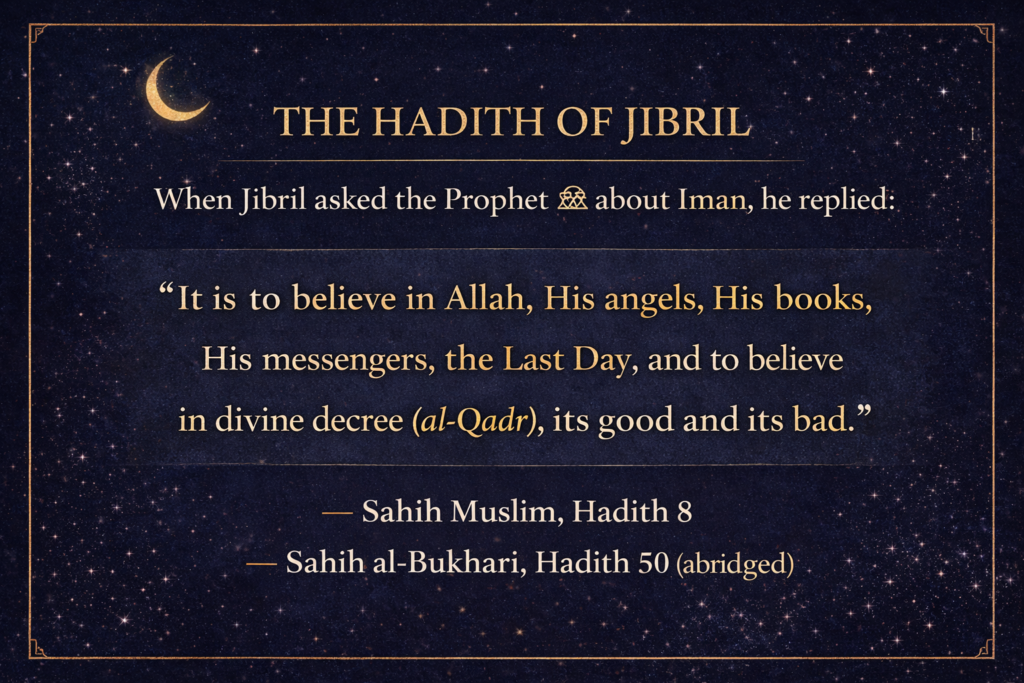
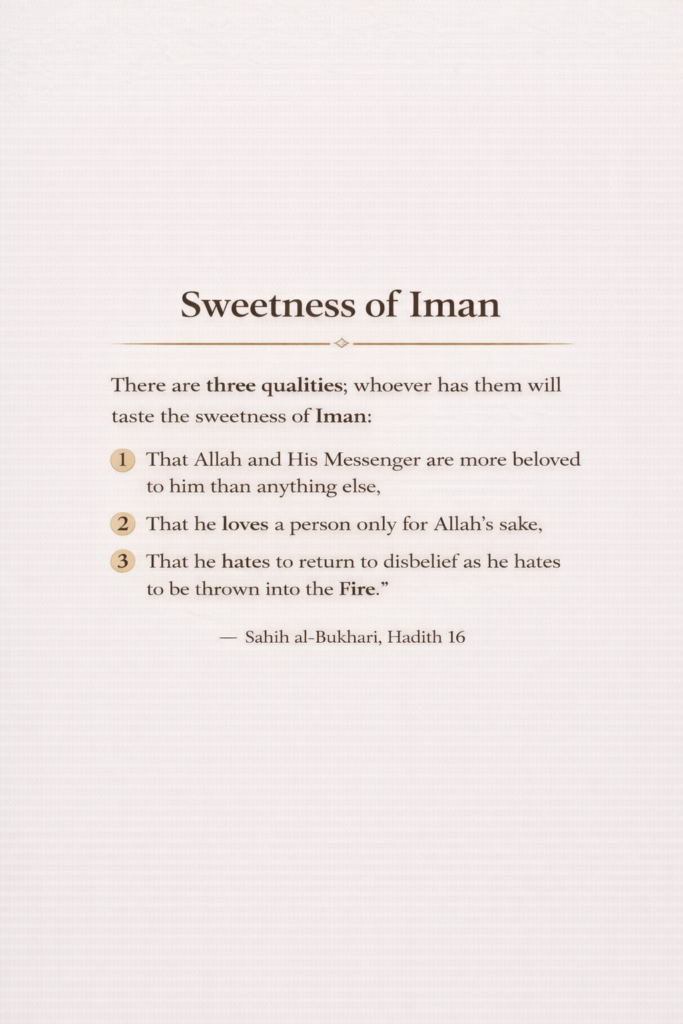
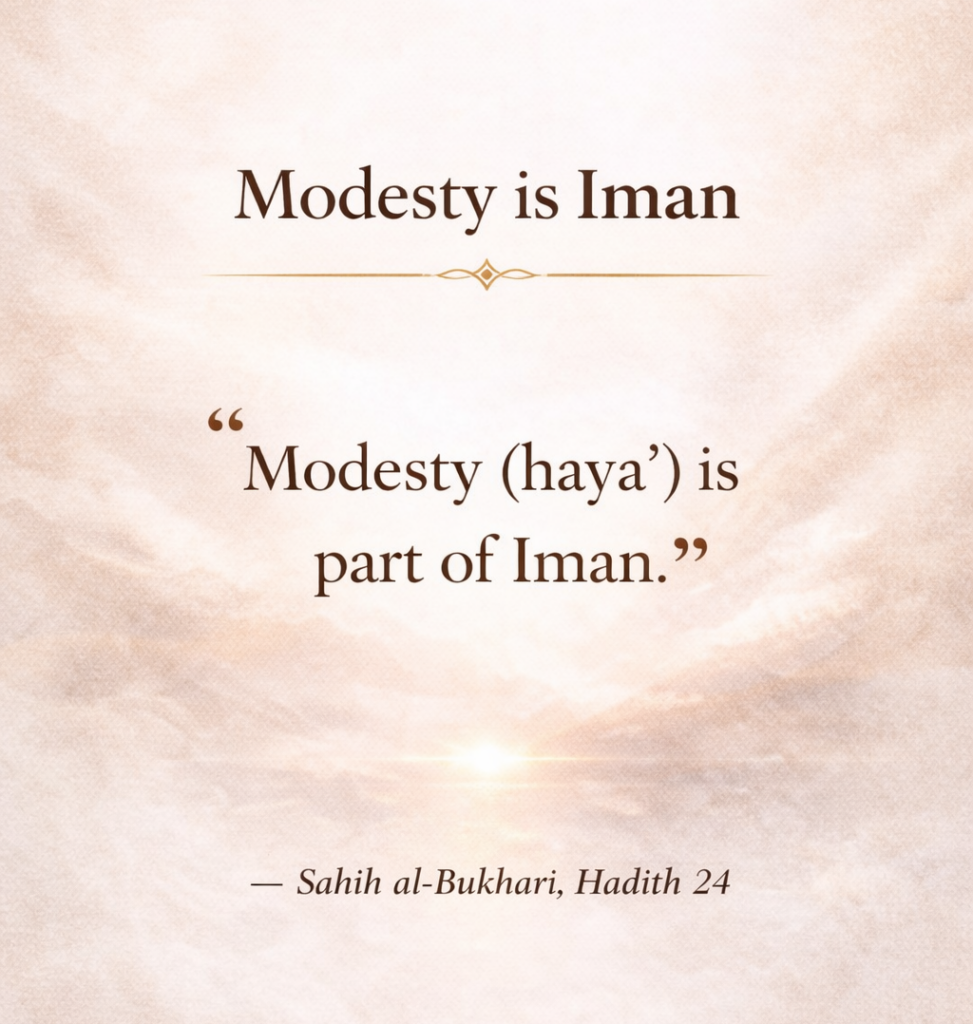
The six pillars of faith are defined in the famous Hadith of Jibril. When the Prophet ﷺ was asked about Iman, he replied:
“It is to believe in Allah, His angels, His books, His messengers, the Last Day, and to believe in divine decree (al-Qadr), its good and its bad.”
— Sahih Muslim, Hadith 8
Belief in Allah means affirming:
His Oneness in worship (Tawheed al-Uluhiyyah)
His Lordship (Tawheed al-Rububiyyah)
His Names and Attributes (Tawheed al-Asma’ wa’l-Sifat)
Muslims believe angels are real, unseen beings created from light.
The Prophet ﷺ said:
“The angels were created from light…”
— Sahih Muslim, Hadith 2996
The Qur’an states:
“The Messenger has believed in what was revealed to him from his Lord, and so have the believers… all of them believe in Allah, His angels…”
— Surah Al-Baqarah (2:285)
Jibril (Gabriel) is mentioned explicitly:
“Whoever is an enemy to Jibril — it is he who brought it [the Qur’an] down upon your heart…”
— Surah Al-Baqarah (2:97)
Allah revealed scriptures to guide humanity:
The Tawrah (Torah)
The Zabur (Psalms)
The Injil (Gospel)
The Qur’an
“He has sent down upon you the Book in truth, confirming what came before it…”
— Surah Aal ‘Imran (3:3)
“Indeed, We revealed the Torah…”
— Surah Al-Ma’idah (5:44)
The final revelation is the Qur’an.
Its preservation is promised:
“Indeed, We have sent down the Reminder, and indeed, We will preserve it.”
— Surah Al-Hijr (15:9)
Allah sent prophets to every nation.
“And We certainly sent into every nation a messenger…”
— Surah An-Nahl (16:36)
“We make no distinction between any of His messengers.”
— Surah Al-Baqarah (2:285)
The final prophet is Muhammad ﷺ:
“Muhammad is not the father of any of your men, but he is the Messenger of Allah and the Seal of the Prophets.”
— Surah Al-Ahzab (33:40)
Belief in the Hereafter includes resurrection, judgment, Paradise, and Hell.
“Whoever does an atom’s weight of good will see it…”
— Surah Al-Zalzalah (99:7–8)
“And the Hour is coming, there is no doubt about it…”
— Surah Al-Hajj (22:7)
The Prophet ﷺ described the events of the Last Day extensively in:
Sahih al-Bukhari, Book of Riqaq
Sahih Muslim, Book of Paradise
Everything occurs by Allah’s knowledge and will.
“Indeed, all things We created with decree.”
— Surah Al-Qamar (54:49)
“No disaster strikes upon the earth or among yourselves except that it is in a register before We bring it into being…”
— Surah Al-Hadid (57:22)
The Prophet ﷺ said:
“Allah wrote the decrees of creation fifty thousand years before He created the heavens and the earth.”
— Sahih Muslim, Hadith 2653
A Clear Introduction from the Qur’an and Authentic Hadith
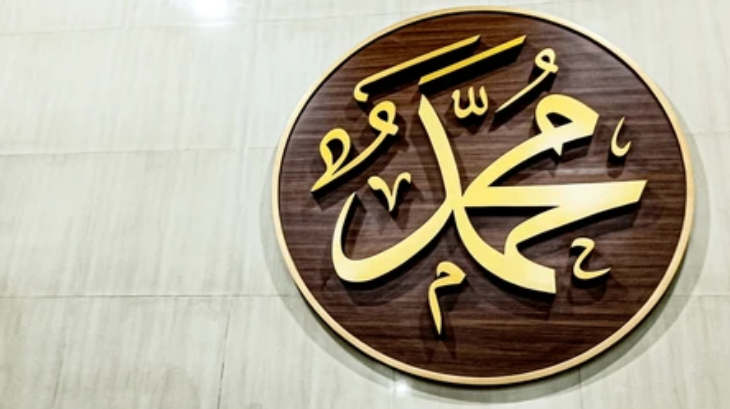
Who is Prophet Muhammad ﷺ? For Muslims, he is the final messenger of Allah, sent as a mercy to all of humanity. Yet many people only know fragments of his story—or misunderstand his role entirely.
This article gives a clear, grounded introduction based on the Qur’an and authentic sayings of Prophet Muhammad.
Prophet Muhammad ﷺ is the last in a long line of prophets that includes Adam, Noah, Abraham, Moses, and Jesus (peace be upon them all).
“Muhammad is not the father of any one of your men, but he is the Messenger of Allah and the Seal of the Prophets.” – (Qur’an 33:40)
This means no prophet will come after him. His message is universal and final.
Prophet Muhammad ﷺ was not sent only to a specific tribe or nation—his message is for all humanity.
“And We have not sent you except as a mercy to the worlds.” – (Qur’an 21:107)
His teachings brought guidance, justice, compassion, and balance to human life.
One of the strongest proofs of his truthfulness is his character. Even before prophethood, he was known as Al-Ameen (the trustworthy).
Allah says:
“And indeed, you are upon an عظیم character.” – (Qur’an 68:4)
His wife Aisha bint Abu Bakr (Radiyallāhu ‘anhā) described him:
“His character was the Qur’an.” – (Sahih Muslim)
He didn’t just preach values—he lived them fully.
The core message of Prophet Muhammad ﷺ was simple and consistent:
Worship Allah alone, without partners, and live a life of righteousness.
The Qur’an states:
“Say, [O Muhammad], ‘I am only a man like you, to whom has been revealed that your god is One God.’” – (Qur’an 18:110)
He did not claim divinity—he called people away from worshipping creation to worshipping the Creator.
Prophet Muhammad ﷺ was born in Mecca around 570 CE. He grew up as an orphan, faced rejection, persecution, and hardship when he began preaching Islam.
Despite this, he remained patient, forgiving, and firm in his mission.
Later, in Medina, he established a just society based on faith, equality, and mutual responsibility.
The teachings of Prophet Muhammad ﷺ—known as the Sunnah—cover every aspect of life:
He said:
“The best of you are those who are best to their families.” – (Sunan al-Tirmidhi)
It’s important to understand that Prophet Muhammad ﷺ was human—not divine.
He experienced:
The Qur’an reminds:
“Say, I am only a man like you…” – (Qur’an 41:6)
This makes him relatable and a practical example for everyday life.
Today, over a billion people follow the message brought by Prophet Muhammad ﷺ. His words, actions, and teachings have been preserved with unmatched precision.
His impact is not just historical—it continues to shape lives, communities, and entire civilizations.
To conclude, Prophet Muhammad ﷺ is the final messenger of Allah, sent with a message of pure monotheism, mercy, and guidance for all humanity. He was not just a teacher—but a living example of truth, patience, justice, and compassion.
To know him is to understand Islam more deeply. If you want to begin learning about Prophet Muhammad ﷺ:
Because understanding him is not just about history—it’s about discovering a model for how to live with purpose, balance, and sincerity.
 Names & Titles of Prophet Muhammad ﷺ given by Allah in the Qur’an
This is the most well-known name of the Prophet ﷺ.
“Muhammad is the Messenger of Allah…” – (Qur’an 48:29)
It appears 4 times in the Qur’an (3:144, 33:40, 47:2, 48:29).
A unique name mentioned in connection with the glad tidings given by Prophet ‘Isa (Jesus).
“…giving glad tidings of a messenger to come after me, whose name is Ahmad.” – (Qur’an 61:6)
A frequently used title emphasizing his role as a messenger chosen by Allah.
“O Prophet, indeed We have sent you…” – (Qur’an 33:45)
Highlights that he conveys Allah’s message.
“The Messenger has believed in what was revealed to him…” – (Qur’an 2:285)
A powerful title showing his humility and true status.
“Glory be to Him who took His servant by night…” – (Qur’an 17:1)
Refers to a moment early in revelation when he was covered in his cloak.
“O you who wraps himself [in clothing]…” – (Qur’an 73:1)
Another early title during the beginning of his mission.
“O you who covers himself [with a garment], arise and warn…” – (Qur’an 74:1–2)
He is a witness over his الأمة (nation).
“O Prophet, indeed We have sent you as a witness…” – (Qur’an 33:45)
He gives glad tidings to believers. (Qur’an 33:45)
He warns humanity about accountability. (Qur’an 33:45)
He دعوت people towards Allah. (Qur’an 33:46)
A beautiful metaphor describing his guidance.
“…and a shining lamp.” (Qur’an 33:46)
One of the most powerful descriptions. “And We have not sent you except as a mercy to the worlds.” (Qur’an 21:107)
Confirms that he is the final prophet. (Qur’an 33:40)
A Clear Introduction from the Qur’an and Authentic Hadith
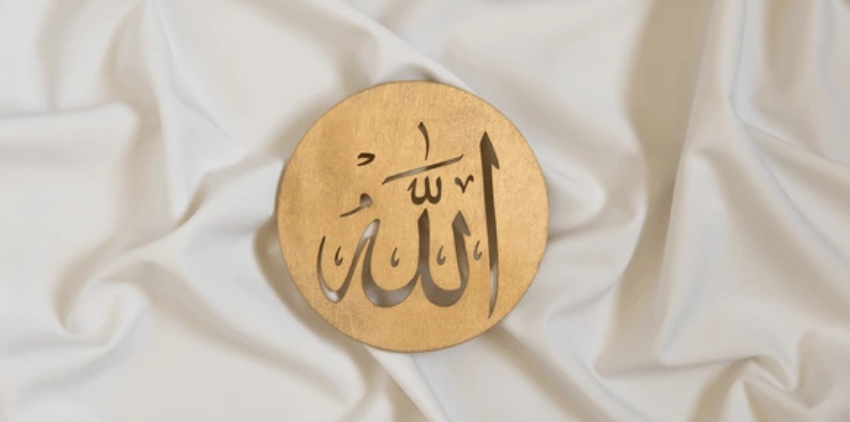
The question “Who is Allah?” is one of the most important questions a person can ask. In Islam, Allah is not simply a concept or an abstract force—He is the One, true, living God, the Creator of everything that exists. Understanding who Allah is shapes how a person lives, thinks, and connects with purpose.
This article explores who Allah is using direct references from the Qur’an and authentic sayings of the Prophet Muhammad.
The foundation of Islam is the belief that Allah is One, without partners, equals, or intermediaries.
“Say: He is Allah, [Who is] One.
Allah, the Eternal Refuge.
He neither begets nor is born,
Nor is there to Him any equivalent.”
(Qur’an 112:1–4)
This short chapter, known as Surah Al-Ikhlas, summarizes the essence of Allah’s uniqueness. Unlike creation, Allah is independent and eternal.
Allah is the Creator of the heavens, the earth, and all that exists within them.
“Allah is the Creator of all things, and He is, over all things, Disposer of affairs.”
(Qur’an 39:62)
Everything you see—nature, life, time, and even your own existence—comes from Him. Nothing exists without His will.
Allah’s knowledge is complete and perfect. He knows what is hidden and what is apparent.
“And with Him are the keys of the unseen; none knows them except Him…”
(Qur’an 6:59)
He knows your thoughts, your intentions, and even what you have not yet spoken.
Two of Allah’s most repeated names are Ar-Rahman (The Most Merciful) and Ar-Raheem (The Most Compassionate).
“My mercy encompasses all things.”
(Qur’an 7:156)
The Prophet Muhammad ﷺ said:
“Allah is more merciful to His servants than a mother to her child.”
(Sahih al-Bukhari, Sahih Muslim)
This shows that Allah’s mercy is beyond human comprehension.
Allah is not distant or unreachable. He is close and responds to those who call upon Him.
“And when My servants ask you concerning Me, indeed I am near. I respond to the invocation of the supplicant when he calls upon Me.”
(Qur’an 2:186)
You do not need an intermediary to speak to Allah—He hears you directly.
Allah does not ظلم (oppress) anyone. His justice is perfect.
“Indeed, Allah does not do injustice, [even] as much as an atom’s weight…”
(Qur’an 4:40)
Every action, big or small, is accounted for with complete fairness.
Allah describes Himself through His names, known as Asma’ul Husna (The Most Beautiful Names).
“And to Allah belong the best names, so invoke Him by them…”
(Qur’an 7:180)
Some of these names include:
The Prophet ﷺ said:
“Allah has ninety-nine names; whoever memorizes and understands them will enter Paradise.”
(Sahih al-Bukhari)
One of the most important principles in Islam is that nothing resembles Allah.
“There is nothing like unto Him, and He is the Hearing, the Seeing.”
(Qur’an 42:11)
This means Allah is not human, does not have human limitations, and cannot be compared to anything we know.
If you want to begin connecting with Allah, start simple:
Because knowing Allah is not just a belief—it is a journey.
The Prophet ﷺ said:
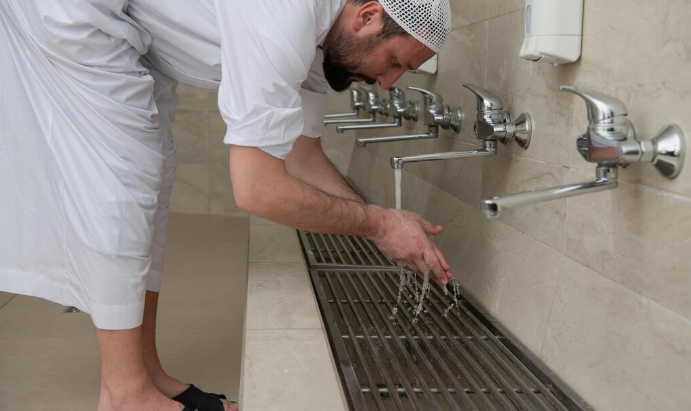
The basic form of purification for prayer is called Wudu ’ (ablution).
Islam is a faith built on purity — purity in one’s body, clothing, and surroundings, and purity in one’s heart and soul. It calls for cleanliness from physical impurities and cleansing from sins, harmful character traits, and corrupt intentions.
Allah says: O you who believe, when you rise up for prayer, wash your faces, and your hands up to the elbows; wipe over your heads; and wash your feet up to the ankles. If you are in a state of major impurity, cleanse yourselves [by taking a bath]. But if you are ill, on a journey, or have relieved yourselves, or had sexual contact with women and find no water, then purify yourselves with clean earth, and wipe your faces and hands therewith. Allah does not want to impose hardship on you, rather He wants to purify you and complete His favor upon you, so that you may be grateful. [Surat al-Mā’idah: 6]
Prayer is a private conversation between the slave and his Lord. Therefore, when standing before his Lord, a Muslim must be in his best state in terms of purity, cleanness, and humility. For this reason, Allah has made it obligatory upon the Muslimwho wants to pray to purify himself, his clothes, and the place of his prayer from all types of impurities and ritual impurity
Wudū’ (ablution) has many great merits, for it is half of Imān (faith) and a means by which Allah Almighty erases sins and elevates degrees. It is also one of the reasons for being admitted to Paradise and it is light for the Muslim on the Day of Judgment and a cause for untying the devil’s knots.
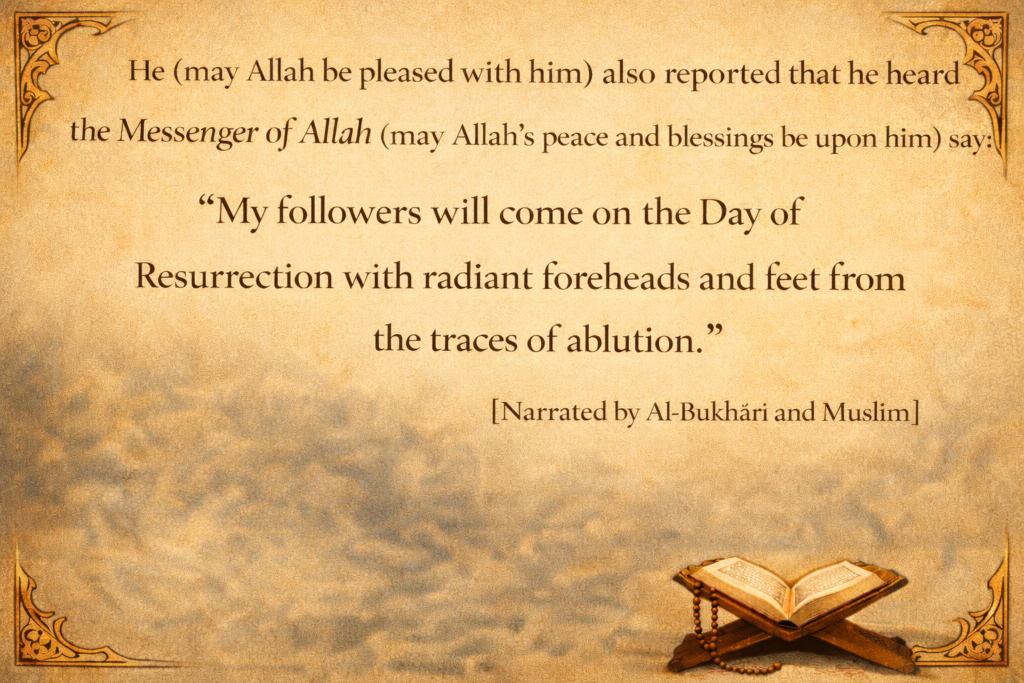
Moreover, it is a special sign of this Ummah (the Muslim nation) on the Day of Judgment, as Muslims shall come on that day with radiant foreheads and feet and with their faces, hands, and feet radiating light from the traces of ablution.
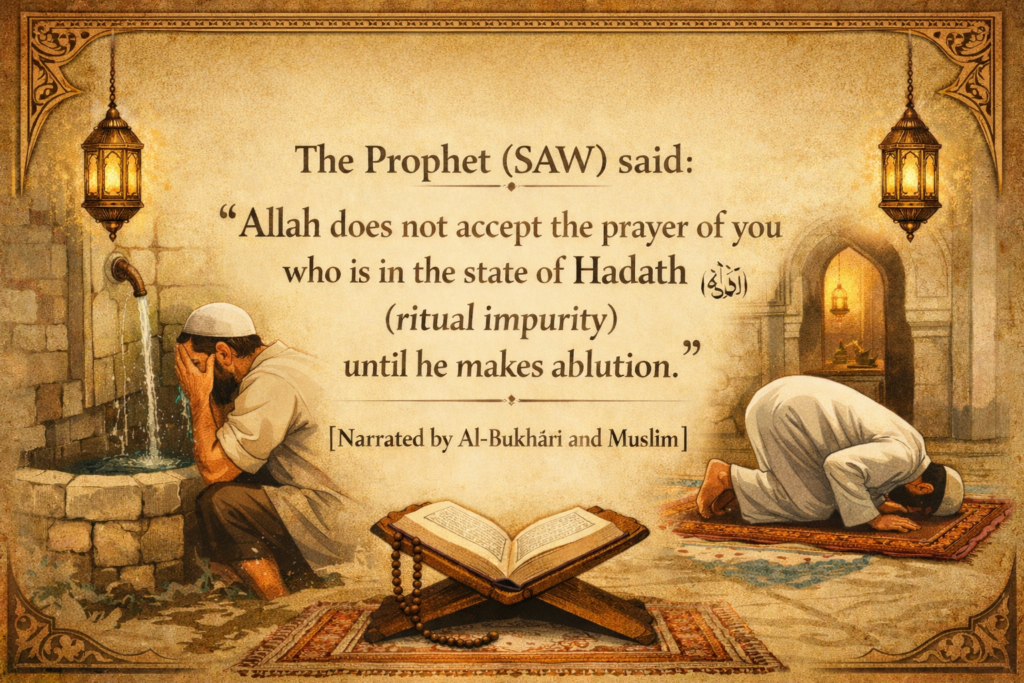
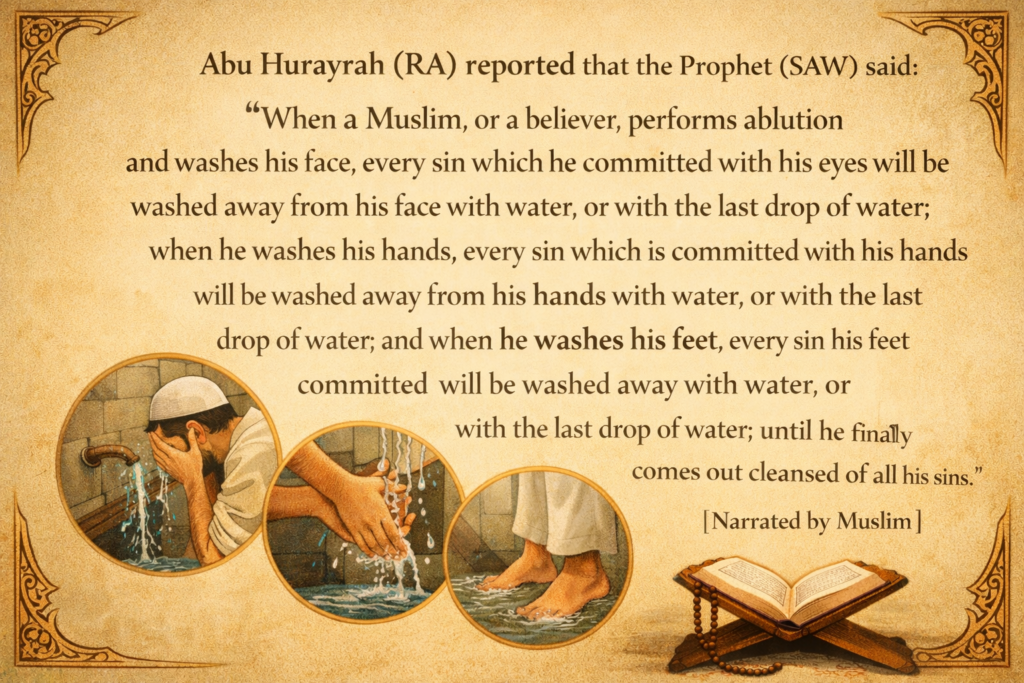
The one who prays must first be purified from minor and major Hadath (ritual impurity) and from material impurity, as clarified by the following:
Hadath: It is an abstract description existing in the body, which prevents prayer. It is divided into two categories, which are:
Minor Hadath: It occurs because of urinating, defecating, passing wind, or sleeping. This kind of Hadath is removed by making ablution (wudu).
Major Hadath: It is called Janābah. It occurs because of sexual intercourse or the discharge of semen. It is removed by taking a bath and washing the whole body with water.
Najas: It means the material filth like urine, stool, and running blood. It is removed by washing it with water until it disappears.
Passing urine is called “Hadath”, whereas the urine itself is called “Najāsah”.
The one who performs prayer must be purified from all types of Hadath and Najāsah. So, if he is in the state of minor Hadath (minor ritual impurity), he must perform ablution. However, if he is in the state of major Hadath (major ritual impurity), he must take a bath.
Have the Niyyah.
i.e. intend with the heart without uttering it, to perform ablution for removing Hadath and the like. Ablution is not valid without intention like the one who intends to wash his organs without recalling the intention of worship, and we must do this with full sincerity to Allah Almighty.
It is prescribed to make Tasmiyah at the beginning of the ablution by saying: “Bismillāh” (In the name of Allah).
Wash both hands to the wrist three times, starting with the fingertips to the palm joint.
Make sure no part of your hands is left dry.
Rinse mouth thoroughly using water with your right hand and clean the nose with your your left hand.
Take water with the right hand and sniff it into the nostrils. Blow the water out of the nose using the left hand.
Wash the face completely and ensure no part is left dry.
The facial boundary extends lengthwise from the natural hairline down to the end of the chin, and breadthwise from one ear to another. It is necessary to wash all the facial hair including the light beard hair, the mustache, the eyebrows, the eyelashes, and the hair that grows below the lower lip.
Start by washing the right hand from the fingertips, and wash between the fingers by entwining the palms, then let the water reach the elbow and do the same with the left hand.
Wet both hands with fresh water, then put those wet hands on the front of the head and move them backward until reaching the nape, then move them forward until reaching the place from where you started.
There is no difference here between the bald and the one who has hair.
Wipe both ears with what is left of the water used for wiping over the head. This should be done by putting the forefinger inside the ear and wiping it and wiping over the outside with the thumb. By this, you wipe the ears from the outside and inside. Wiping over the head along with the ears is to be done once.
Start by washing the right foot from the tiptoes to the ankles, which refer to the two prominent bones on both sides of the leg connecting the shin to the foot, washing between the toes, and
carefully washing the heel, which is the rear of the foot, in addition to washing the outward part of the foot. Then, wash the left foot in the same manner as washing the right foot.








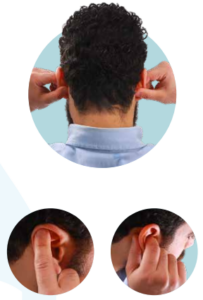
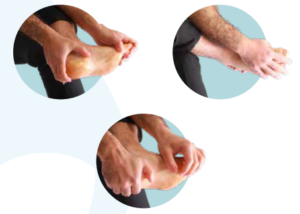
NOTES:
It is Sunnah for the Muslim to say the following after completing the ablution:
“Ash-hadu allā ilāha illallāh wahdahu lā sharīka lah, wa ashhadu anna Muhammadan ‘abduhu wa rasūluh”
(I testify that there is no god but Allah Who has no partners, and I testify that Muhammad is His slave and messenger).
He may add the following: “Allāhumma ij‘alni min attawwābīn waj‘alni min al-mutatahhirīn”
(O Allah, make me of those who constantly repent and those who constantly purify themselves).
Or:
“Subhānak allāhumma wa bihamdik, ash-hadu allā ilāha illa ant, astaghfiruka wa atūbu ilayk”
(Glory and praise be to You, O Allah. I testify that there is no god but You. I seek Your forgiveness and I repent to You).
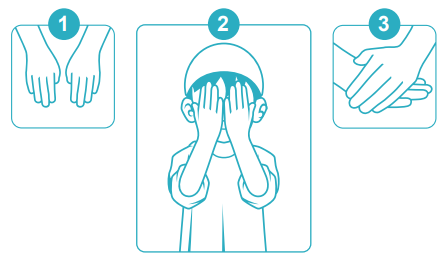
There are two methods for making Ghusl (ritual bath) from Janābah (impurity due to sexual discharge), which are: the obligatory method and the perfect method.
As for the obligatory method, it goes as follows:
The perfect method, on the other hand, combines what is obligatory and what is recommended in Ghusl, and it goes as follows:
Tayammum (dry ablution):
One of the forms of facilitation in Islam is offering alternatives to water in case the Muslim is incapable of having access to water to make ablution or take a shower easily. An example is being on a journey and having sufficient water only for drinking. Other examples are being unable to buy water because it’s unavailable or the inability to buy it because of its high price. Further examples are when being incapable of using water due to sickness and having no one to help with making ablution, or in severe coldness that might harm a person, etc. In such cases, tayammum, i.e., using dust for purification, is permissible.
Intend to make Tayammum by the heart, then strike the dust with both hands once, then wipe the whole face and both hands with it.
The manner of making Tayammum is the same for both minor and major ritual impurities. After making Tayammum, performing all the acts of worship that require ritual purity becomes permissible. However, once the water becomes available, or there is an ability to use it, Tayammum becomes invalid, and it becomes obligatory to use water for ritual purification.
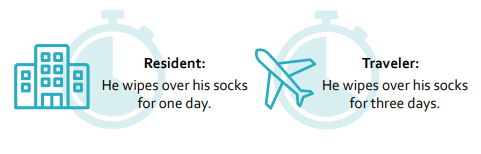
If a Muslim is wearing leather socks or normal socks, he does not have to take them off when making ablution. Rather, it is sufficient for him to wipe over their outward surface with his wet hands when reaching the part about washing the feet. However, wearing them while being in a state of ritual purity is a prerequisite, i.e., he must wear them after making ablution and washing his feet; otherwise, he must take them off.
It is permissible for the resident to continue to wipe over them for one day and night. As for the traveler, he is permitted to wipe over them for three days and nights.
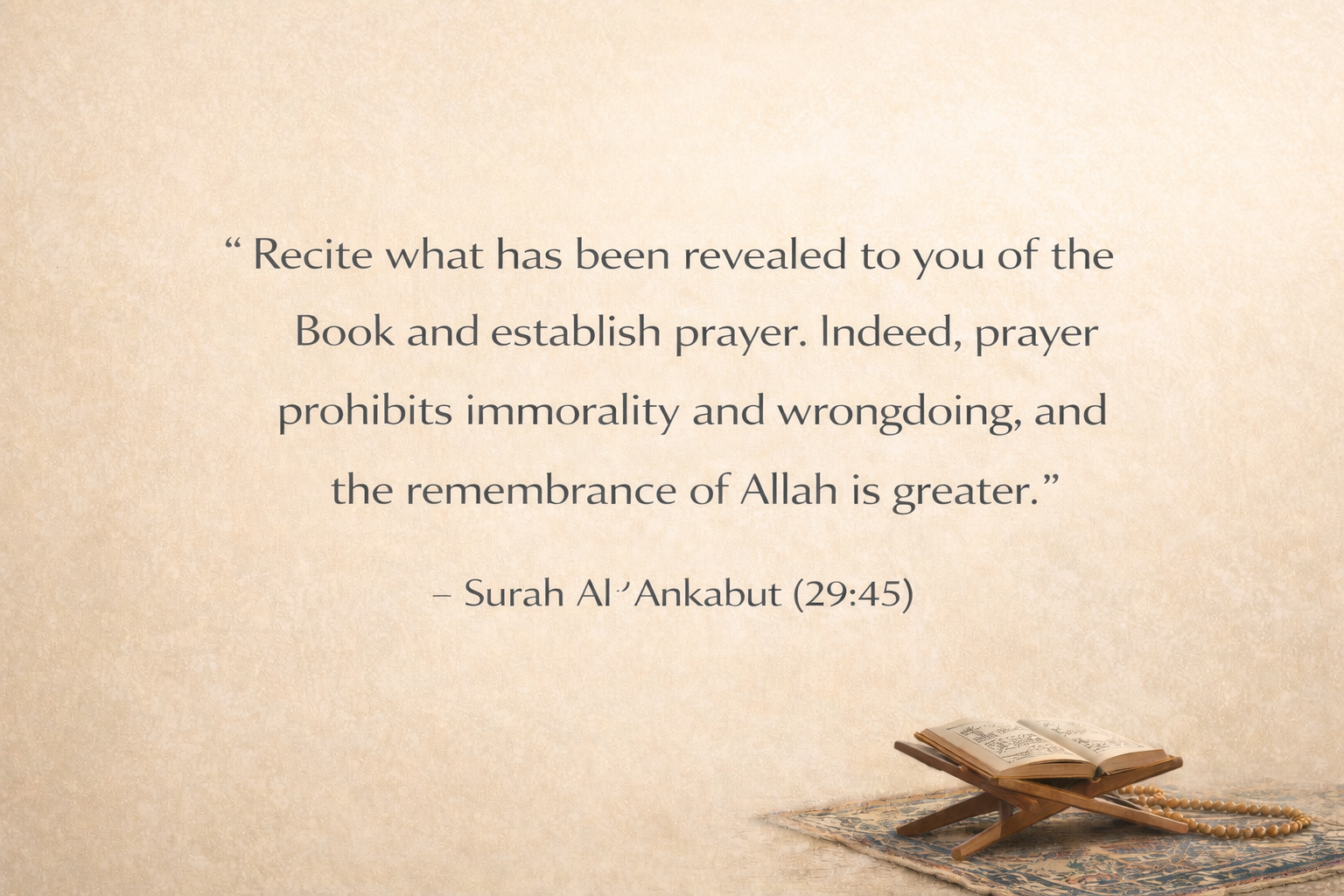
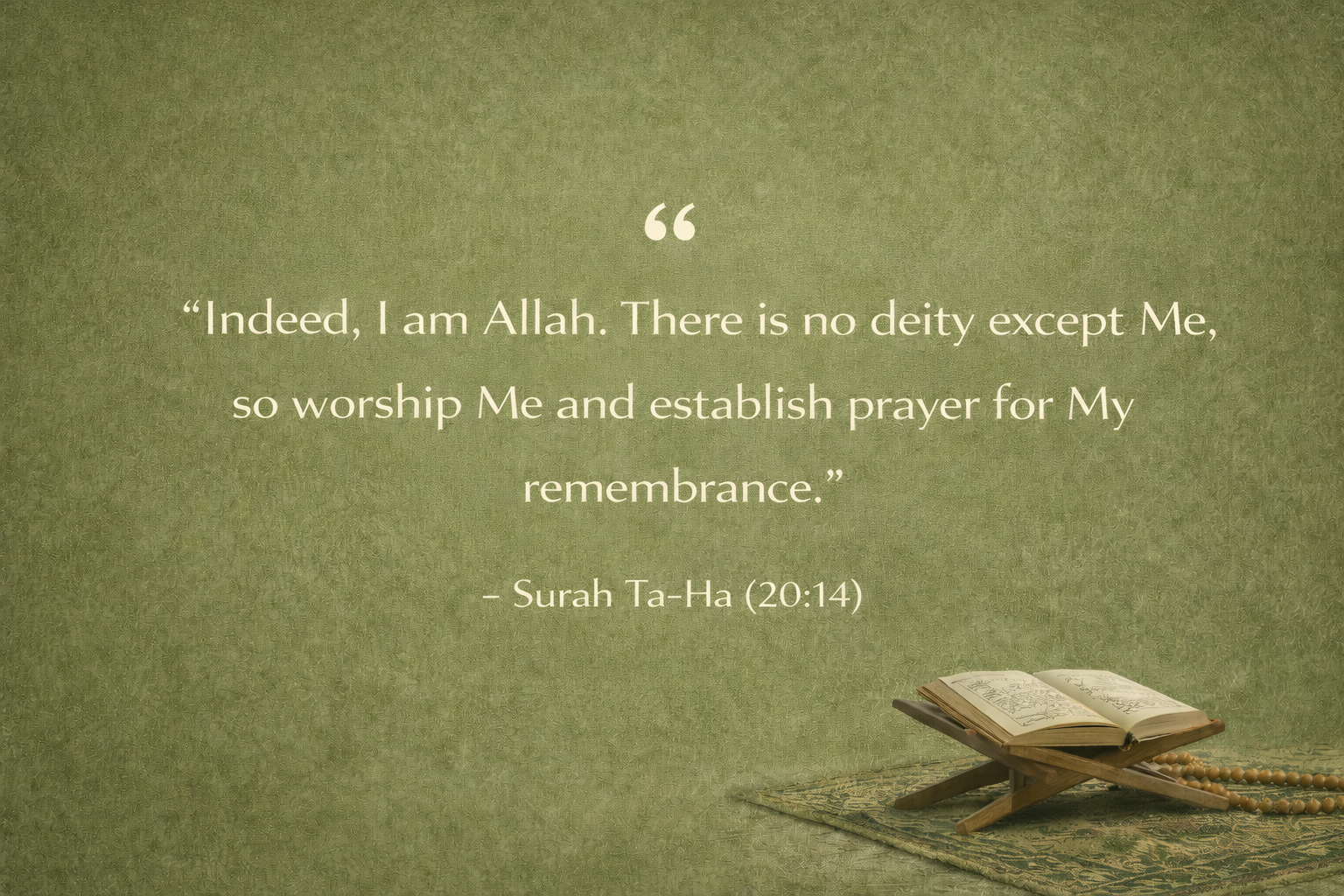
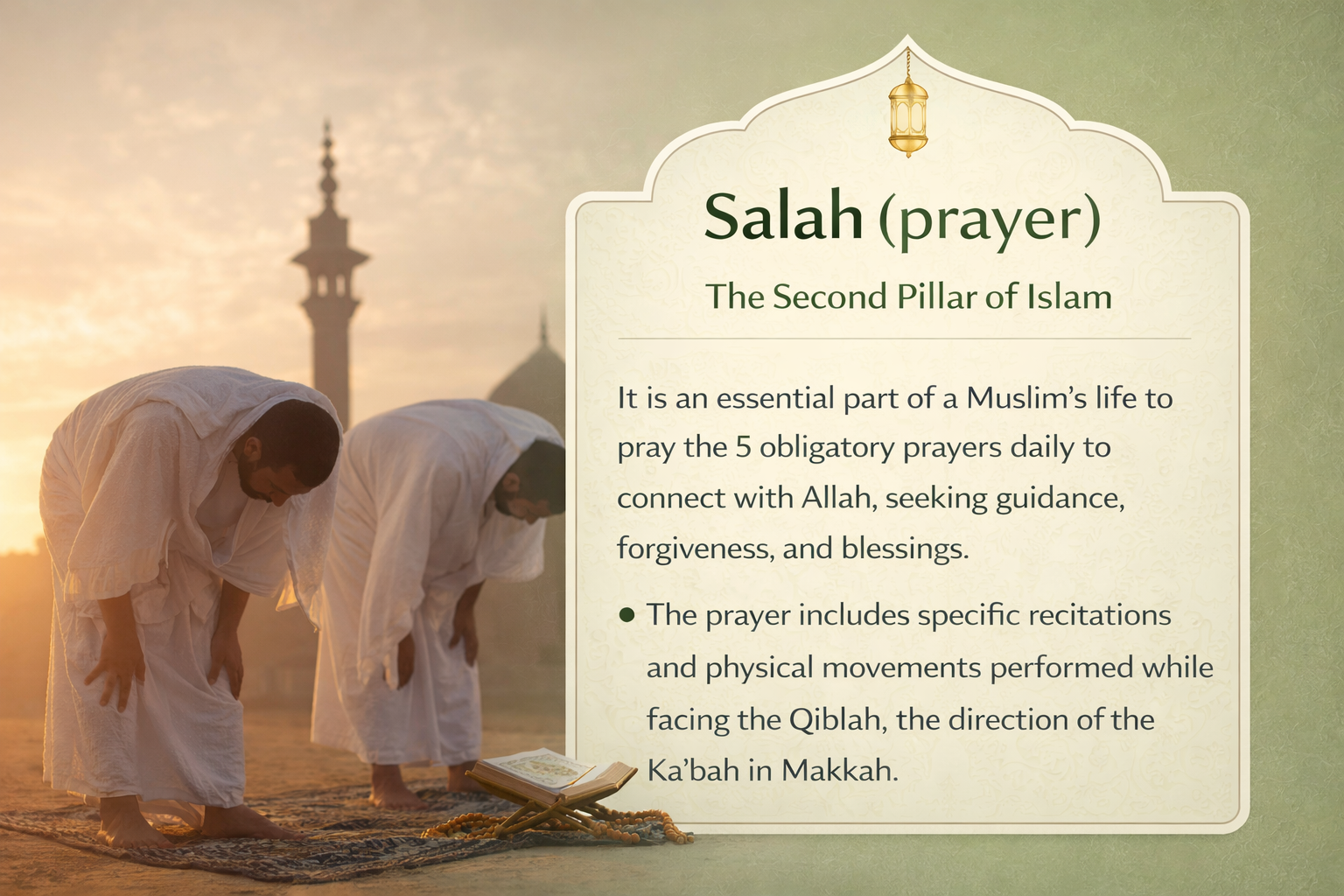
The first action for which a servant of Allah will be held accountable on the Day of Resurrection will be his prayers. If they are in order, he will have prospered and succeeded. If they are lacking, he will have failed and lost. If there is something defective in his obligatory prayers, then the Almighty Lord will say: ‘See if My servant has any voluntary prayers that can complete what is insufficient in his obligatory prayers. The rest of his deeds will be judged the same way.’ – [Hadith | Tirmidhi]
The obligation of Salah in Islam is closely linked to the event known as Al-Isra wal-Mi‘raj, the miraculous Night Journey and Ascension of the Prophet Muhammad (PBUH). During this extraordinary event, which occurred around the year 621 CE, the Prophet (PBUH) was taken in one night from Makkah to Masjid Al-Aqsa in Jerusalem, and from there ascended through the heavens.
During this journey, the Prophet (PBUH) met several of the earlier Prophets and led them in prayer. It was also on this night that Allah prescribed the five daily prayers for the Muslim community. This remarkable event remains central to the lives of Muslims today, as it established the five obligatory daily prayers that structure a believer’s day.
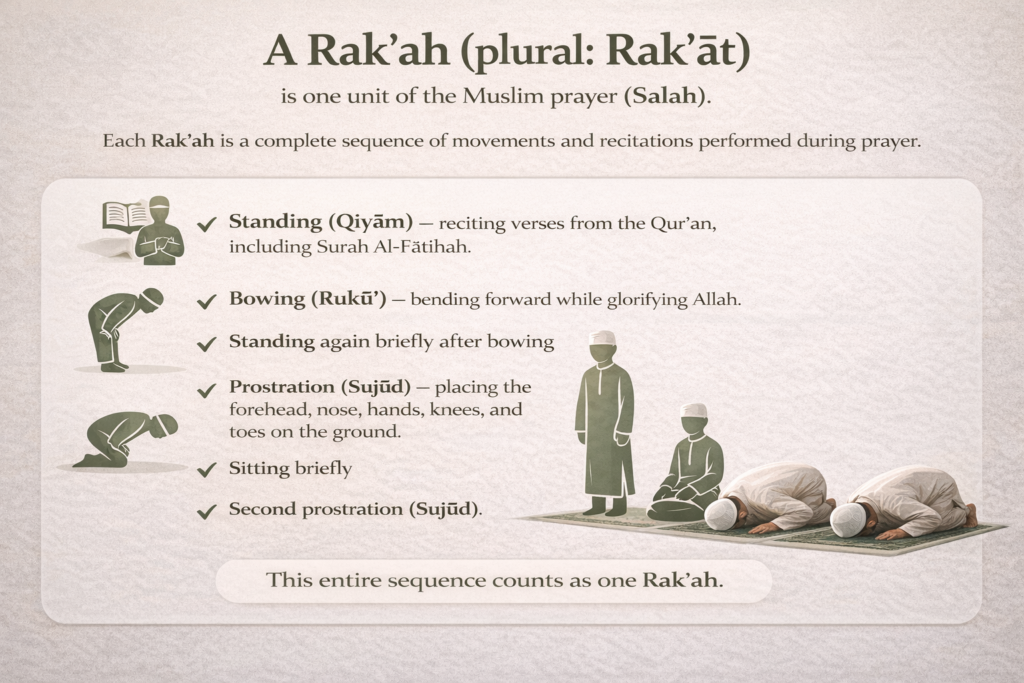
There are 5 daily fardh (obligatory) prayers. The five daily prayers contain different numbers of Rak‘āt:
Fajr: 2 Rak‘āt
Dhuhr: 4 Rak‘āt
Asr: 4 Rak‘āt
Maghrib: 3 Rak‘āt
Isha: 4 Rak‘āt
So when someone says a prayer has 4 Rak‘ahs, it means that this full cycle is repeated four times within that prayer.
| Salah | Rak'ahs | |||||
|---|---|---|---|---|---|---|
| Fajr | 2 supererogatory Rak’ahs | 2 Fardh (obligatory) Rak’ahs | ||||
| Dhuhr | 4 supererogatory Rak’ahs | 4 Fardh (obligatory) Rak’ahs | 2 supererogatory Rak’ahs | 2 supererogatory Rak’ahs | ||
| Asr | 4 supererogatory Rak’ahs | 4 Fardh (obligatory) Rak’ahs | ||||
| Maghrib | 3 Fardh (obligatory) Rak’ahs | 2 supererogatory Rak’ahs | 2 supererogatory Rak’ahs | |||
| Isha | 4 supererogatory Rak’ahs | 4 Fardh (obligatory) Rak’ahs | 2 supererogatory Rak’ahs | 2 supererogatory Rak’ahs | 3 Witr Rak’ahs (or any odd number) | 2 supererogatory Rak’ahs |
Whoever prays 12 Rak’ahs during the night and day, a house will be built for him in Paradise: Four before Zuhr and two after, two Rak’ahs after Maghrib, two Rak’ahs after Isha and two Rak’ahs before Fajr prayer. – [Hadith | Tirmidhi]
Aside from the five obligatory prayers, Muslims may offer Sunnah and Nafl Salah.
The Sunnah Salah (prayers) are ones in which Prophet Muhammad (peace be upon him) used to habitually offer as voluntary worship at specified times and places. Although these are optional, it is highly recommended to follow the Sunnah of the Prophet (PBUH) to maximise our rewards.
Nafl Salah are voluntary prayers that a Muslim may offer at any time as a form of extra Ibadah (worship).
Optional prayers include Salat al-Istikhara (the prayer of seeking guidance), Salat at-Tahajjud (prayed late at night) or Salat at-Tawbah (prayer for repentance).
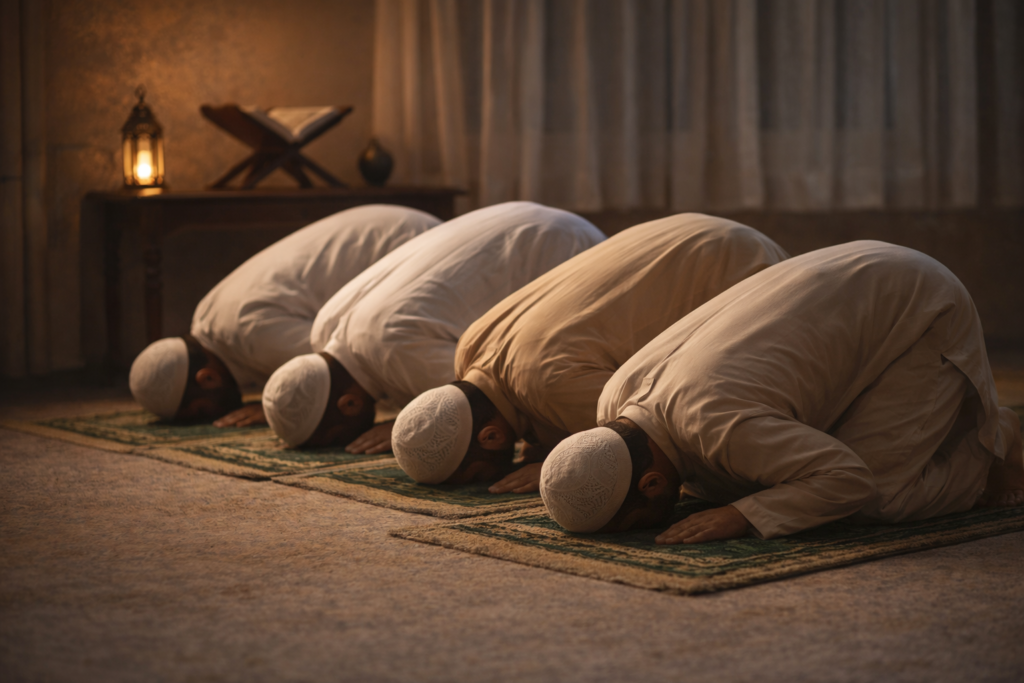
Witr is a night prayer in Islam that is usually performed after the Isha prayer, which is the final obligatory prayer of the day. Although it is not compulsory, it is strongly recommended and greatly emphasized in Islamic practice.
The term “Witr” in Arabic means “odd” or “uneven.” This refers to the fact that the prayer is performed in an odd number of Rak‘ahs (units of prayer).
A person may pray one, three, five, seven, or any other odd number of Rak‘ahs as Witr. In practice, many Muslims commonly perform three Rak‘ahs for Witr.
Witr is considered a voluntary (Nafl) prayer, yet it holds a special importance as a way to conclude the day’s prayers with worship and remembrance of Allah.
Witr is a duty, and whoever wants to pray Witr with seven (rak’ahs), let him do so; whoever wants to pray Witr with five, let him do so, whoever wants to pray Witr with three, let him do so; and whoever wants to pray Witr with one, let him do so. – [Hadith | Sunan an-Nasa’i]
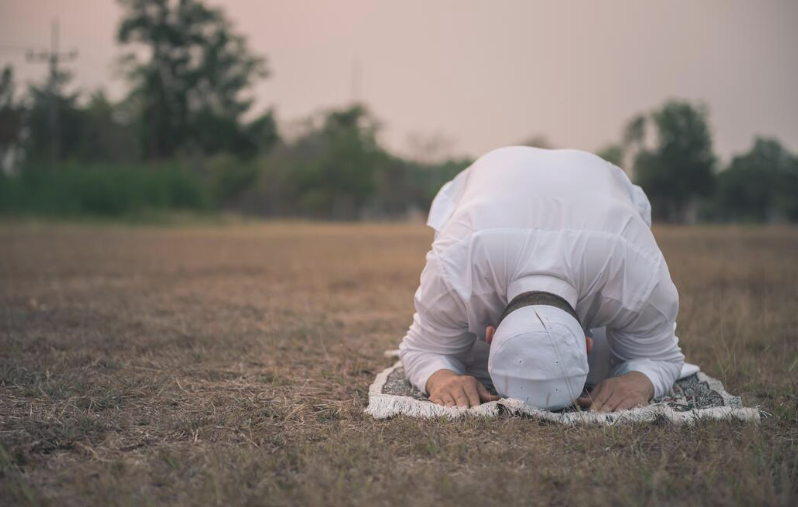
Fajr Salah consists of two Fardh (compulsory) Rak’ahs.
Make sure you have performed Wudu (ablution), wear clothing which covers your awrah (intimate parts) and make a sincere intention (Niyyah) to perform the two Fardh Rak’ahs of Fajr prayer.
Stand facing the Qibla with your feet shoulder-width apart.
Raise your hands and say “Allahu Akbar” to begin the prayer. Then place your right hand over your left.
It is Sunnah to recite Sana at this point: “Subhanaka Allahumma wa bihamdika wa tabarakasmuka, wa ta’ala jadduka wa la ilaha ghairuk”.
Recite Ta’awadh (A’udhu billahi min ash-shaytaan-ir-rajeem)
Recite Tasmiah (Bismillah hir rahman nir raheem).
Recite Surah Al-Fatihah.
After reciting Surah Al-Fatihah, recite another Surah or ideally at least three verses from the Quran.
Bow while saying “Allahu Akbar”, and place your hands on your knees. Say “Subhana Rabbiy-al-‘Adheem” three times.
Rise from the bowing position and stand upright, while saying “Sami’ Allahu liman hamidah” then say “Rabbana lakal hamd” once standing.
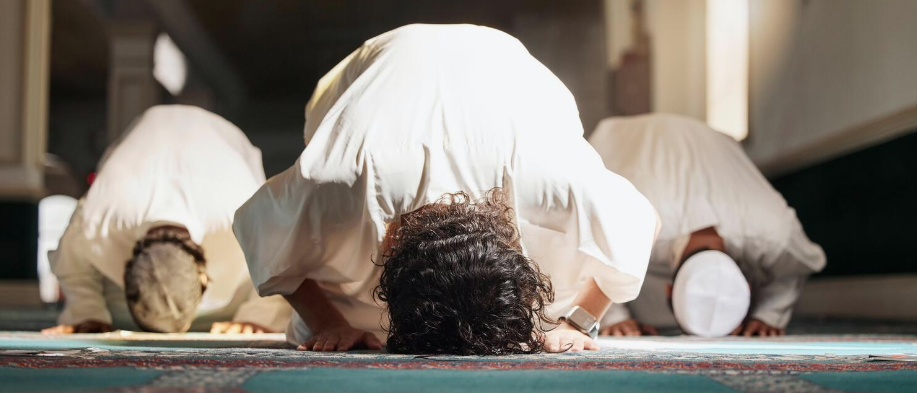
Prostrate by saying “Allahu Akbar” and place your forehead, nose, palms, knees, and toes on the ground. Say “Subhaana Rabbiy-al-A‘laa” three times and then sit back briefly. While seated on your thighs, say “Rabbigh firli“. After a few seconds, return back into prostration while saying “Allahu Akbar” and repeat “Subhaana Rabbiy-al-A‘laa” three times while prostrating.
Rise from the prostration and stand up whilst saying “Allahu Akbar”.
To complete your second Rak’ah, repeat steps 5-10 once more, and sit back into the position mentioned in step 10, saying “Allahu Akbar” as you rise.
Recite Tashahhud (At-tahiyyatu lillah, was-salawaatu wat-tayyibaat. As-salaamu ’alayka ayyuhan-Nabiyyu wa rahmat-Ullahi wa barakaatu. As-salaamu ’alayna, wa ’alaa ‘ibaadi-llahis saaliheen. Ashhadu alla ilaha illallah wa ashhadu anna muhammadan ‘abduhu wa rasuluhu).
Send Salawat upon the Prophet Muhammad (PBUH) by reciting: “Allahumma Salli ‘ala Muhammadin wa ‘ala aali Muhammadin, kama sallaita ‘ala Ibrahima wa ‘ala aali Ibrahima innaka Hamidum-Majeed. Allahumma barik ‘ala Muhammadin wa ‘ala aali Muhammadin kama barakta ‘ala Ibrahima wa ‘ala aali Ibrahima innaka Hameedum-Majeed”.
Conclude the prayer by turning your head to the right and then to the left, saying “Assalamu alaikum wa rahmatullah” each time.
You have now completed your Fajr prayer, Alhamdulillah!
Dhuhr Salah consists of four Fardh Rak’ahs.
Make sure you have performed Whudu (ablution), wear clothing which covers your awrah (intimate parts) and make a sincere intention (Niyyah) to perform the four Fardh Rak’ahs for Dhuhr prayer.
Stand facing the Qibla with your feet shoulder-width apart.
Raise your hands and say “Allahu Akbar” to begin the prayer. Then place your right hand over your left.
It is Sunnah to recite Sana at this point: “Subhanaka Allahumma wa bihamdika wa tabarakasmuka, wa ta’ala jadduka wa la ilaha ghairuk.”
Recite Ta’awadh (A’udhu billahi min ash-shaytaan-ir-rajeem) and Tasmiah (Bismillah hir rahman nir raheem).
Recite Surah Al-Fatihah
After reciting Surah Al-Fatihah, recite another Surah or at least three verses from the Quran.
Bow (Ruk’ah) while saying “Allahu Akbar” and place your hands on your knees. Say “Subhana Rabbiy-al-‘Adheem” ideally at least three times.
Rise from the bowing position and stand upright, while saying “Sami’ Allahu liman hamidah” then say “Rabbana lakal hamd” once standing.
Prostrate (Sujood) by saying “Allahu Akbar” and place your forehead, nose, palms, knees, and toes on the ground. Say “Subhaana Rabbiy-al-A‘laa” ideally at least three times and then sit back briefly saying “Allahu Akbar” as you rise. After a few seconds, return back into prostration and repeat “Subhaana Rabbiy-al-A‘laa” ideally three times once more.
Rise from the prostration and stand up whilst saying “Allahu Akbar”.
To complete your second Rak’ah, repeat steps 5-10 once more, and sit back into the position mentioned in step 10, saying “Allahu Akbar” as you rise.
Recite Tashahhud (At-tahiyyatu lillah, was-salawaatu wat-tayyibaat. As-salaamu ’alayka ayyuhan-Nabiyyu wa rahmat-Ullahi wa barakaatu. As-salaamu ’alayna, wa ’alaa ‘ibaadi-llahis saaliheen. Ashhadu alla ilaha illallah wa ashhadu anna muhammadan ‘abduhu wa rasuluhu).
Return to a standing position while saying “Allahu Akbar”, and then recite Ta’awadh, Tasmiah and Surah al-Fatihah. You do not need to accompany this with a recitation of another Surah for Fardh prayers.
Repeat steps 8-11 to complete your third Rak’ah.
Repeat steps 14-15 once more to complete your fourth Rak’ah.
Once you have completed your four Rak’ahs, sit back into the position mentioned in step 10, then recite Tashahhud again.
Send Salawat upon the Prophet Muhammad (peace be upon him) by reciting: “Allahumma Salli ‘ala Muhammadin wa ‘ala aali Muhammadin, kama sallaita ‘ala Ibrahima wa ‘ala aali Ibrahima innaka Hamidum-Majeed. Allahumma barik ‘ala Muhammadin wa ‘ala aali Muhammadin kama barakta ‘ala Ibrahima wa ‘ala aali Ibrahima innaka Hameedum-Majeed”.
It is highly recommended to recite some Sunnah du’as (supplications) at this point.
Conclude the prayer by turning your head to the right and then to the left, saying “Assalamu alaikum wa rahmatullah” each time.
You have now completed the Fardh Rak’ahs of your Dhuhr prayer, Alhamdulillah!
Asr is the afternoon prayer and consists of four Fardh Rak’ahs.
Make sure you have performed Whudu (ablution), wear clothing which covers your awrah (intimate parts) and make a sincere intention (Niyyah) to perform the four Fardh Rak’ahs for Asr prayer.
Stand facing the Qibla with your feet shoulder-width apart.
Raise your hands and say “Allahu Akbar” to begin the prayer. Then place your right hand over your left.
It is Sunnah to recite Sana at this point: “Subhanaka Allahumma wa bihamdika wa tabarakasmuka, wa ta’ala jadduka wa la ilaha ghairuk.”
Recite Ta’awadh (A’udhu billahi min ash-shaytaan-ir-rajeem) and Tasmiah (Bismillah hir rahman nir raheem).
Recite Surah Al-Fatihah.
After reciting Surah Al-Fatihah, recite another Surah or ideally at least three verses from the Quran.
Bow (Ruk’ah) while saying “Allahu Akbar” and place your hands on your knees. Say “Subhana Rabbiy-al-‘Adheem” ideally at least three times.
Rise from the bowing position and stand upright, while saying “Sami’ Allahu liman hamidah” then say “Rabbana lakal hamd” once standing.
Prostrate (Sujood) by saying “Allahu Akbar” and place your forehead, nose, palms, knees, and toes on the ground. Say “Subhaana Rabbiy-al-A‘laa” ideally at least three times and then sit back briefly saying “Allahu Akbar” as you rise. After a few seconds, return back into prostration and repeat “Subhaana Rabbiy-al-A‘laa” three times once more.
Rise from the prostration and stand up whilst saying “Allahu Akbar”.
To complete your 2nd Rak’ah, repeat steps 5-10 once more, and sit back into the position mentioned in step 10, saying “Allahu Akbar” as you rise.
Recite Tashahhud (At-tahiyyatu lillah, was-salawaatu wat-tayyibaat. As-salaamu ’alayka ayyuhan-Nabiyyu wa rahmat-Ullahi wa barakaatu. As-salaamu ’alayna, wa ’alaa ‘ibaadi-llahis saaliheen. Ashhadu alla ilaha illallah wa ashhadu anna muhammadan ‘abduhu wa rasuluhu).
Return to a standing position while saying “Allahu Akbar”, and then recite Ta’awadh, Tasmiah and Surah al-Fatihah. You do not need to accompany this with a recitation of another Surah for Fardh prayers.
Repeat steps 8-11 to complete your third Rak’ah.
Repeat steps 14-15 once more to complete your fourth Rak’ah.
Once you have completed your four Rak’ahs, sit back into the position mentioned in step 10, then recite Tashahhud again.
Send Salawat upon the Prophet Muhammad (peace be upon him) by reciting: “Allahumma Salli ‘ala Muhammadin wa ‘ala aali Muhammadin, kama sallaita ‘ala Ibrahima wa ‘ala aali Ibrahima innaka Hamidum-Majeed. Allahumma barik ‘ala Muhammadin wa ‘ala aali Muhammadin kama barakta ‘ala Ibrahima wa ‘ala aali Ibrahima innaka Hameedum-Majeed”.
It is highly recommended to recite some Sunnah du’as (supplications) at this point.
Conclude the prayer by turning your head to the right and then to the left, saying “Assalamu alaikum wa rahmatullah” each time.
You have now completed your Asr prayer, Alhamdulillah!
Maghrib Salah consists of three Fardh (compulsory) Rak’ahs.
Make sure you have performed Whudu (ablution), wear clothing which covers your awrah (intimate parts) and make a sincere intention (Niyyah) to perform the three Fardh Rak’ahs for Maghrib prayer.
Stand facing the Qibla with your feet shoulder-width apart.
Raise your hands and say “Allahu Akbar” to begin the prayer. Then place your right hand over your left.
It is Sunnah to recite Sana at this point: “Subhanaka Allahumma wa bihamdika wa tabarakasmuka, wa ta’ala jadduka wa la ilaha ghairuk.”
Recite Ta’awadh (A’udhu billahi min ash-shaytaan-ir-rajeem) and Tasmiah (Bismillah hir rahman nir raheem).
Recite Surah Al-Fatihah.
After reciting Surah Al-Fatihah, recite another Surah or ideally at least three verses from the Quran.
Bow (Ruk’ah) while saying “Allahu Akbar” and place your hands on your knees. Say “Subhana Rabbiy-al-‘Adheem” ideally at least three times.
Rise from the bowing position and stand upright, while saying “Sami’ Allahu liman hamidah” then say “Rabbana lakal hamd” once standing.
Prostrate (Sujood) by saying “Allahu Akbar” and place your forehead, nose, palms, knees, and toes on the ground. Say “Subhaana Rabbiy-al-A‘laa” ideally at least three times and then sit back briefly saying “Allahu Akbar” as you rise. After a few seconds, return back into prostration and repeat “Subhaana Rabbiy-al-A‘laa” ideally three times once more.
Rise from the prostration and stand up whilst saying “Allahu Akbar”.
To complete your second Rak’ah, repeat steps 5-10 once more, and sit back into the position mentioned in step 10, saying “Allahu Akbar” as you rise.
Recite Tashahhud (At-tahiyyatu lillah, was-salawaatu wat-tayyibaat. As-salaamu ’alayka ayyuhan-Nabiyyu wa rahmat-Ullahi wa barakaatu. As-salaamu ’alayna, wa ’alaa ‘ibaadi-llahis saaliheen. Ashhadu alla ilaha illallah wa ashhadu anna muhammadan ‘abduhu wa rasuluhu).
Return to a standing position while saying “Allahu Akbar”, and then recite Ta’awadh, Tasmiah and Surah al-Fatihah. You do not need to accompany this with a recitation of another Surah for Fardh prayers.
Repeat steps 8-11.
Once you have completed your three Rak’ahs, sit back into the position mentioned in step 10, then recite Tashahhud again.
Send Salawat upon the Prophet Muhammad (peace be upon him) by reciting: “Allahumma Salli ‘ala Muhammadin wa ‘ala aali Muhammadin, kama sallaita ‘ala Ibrahima wa ‘ala aali Ibrahima innaka Hamidum-Majeed. Allahumma barik ‘ala Muhammadin wa ‘ala aali Muhammadin kama barakta ‘ala Ibrahima wa ‘ala aali Ibrahima innaka Hameedum-Majeed”.
It is highly recommended to recite some Sunnah du’as (supplications) at this point.
Conclude the prayer by turning your head to the right and then to the left, saying “Assalamu alaikum wa rahmatullah” each time.
You have now completed your Maghrib prayer, Alhamdulillah!
Dhuhr Salah consists of four Fardh Rak’ahs.
Make sure you have performed Whudu (ablution), wear clothing which covers your awrah (intimate parts) and make a sincere intention (Niyyah) to perform the four Fardh Rak’ahs for Dhuhr prayer.
Stand facing the Qibla with your feet shoulder-width apart.
Raise your hands and say “Allahu Akbar” to begin the prayer. Then place your right hand over your left.
It is Sunnah to recite Sana at this point: “Subhanaka Allahumma wa bihamdika wa tabarakasmuka, wa ta’ala jadduka wa la ilaha ghairuk.”
Recite Ta’awadh (A’udhu billahi min ash-shaytaan-ir-rajeem) and Tasmiah (Bismillah hir rahman nir raheem).
Recite Surah Al-Fatihah
After reciting Surah Al-Fatihah, recite another Surah or at least three verses from the Quran.
Bow (Ruk’ah) while saying “Allahu Akbar” and place your hands on your knees. Say “Subhana Rabbiy-al-‘Adheem” ideally at least three times.
Rise from the bowing position and stand upright, while saying “Sami’ Allahu liman hamidah” then say “Rabbana lakal hamd” once standing.
Prostrate (Sujood) by saying “Allahu Akbar” and place your forehead, nose, palms, knees, and toes on the ground. Say “Subhaana Rabbiy-al-A‘laa” ideally at least three times and then sit back briefly saying “Allahu Akbar” as you rise. After a few seconds, return back into prostration and repeat “Subhaana Rabbiy-al-A‘laa” ideally three times once more.
Rise from the prostration and stand up whilst saying “Allahu Akbar”.
To complete your second Rak’ah, repeat steps 5-10 once more, and sit back into the position mentioned in step 10, saying “Allahu Akbar” as you rise.
Recite Tashahhud (At-tahiyyatu lillah, was-salawaatu wat-tayyibaat. As-salaamu ’alayka ayyuhan-Nabiyyu wa rahmat-Ullahi wa barakaatu. As-salaamu ’alayna, wa ’alaa ‘ibaadi-llahis saaliheen. Ashhadu alla ilaha illallah wa ashhadu anna muhammadan ‘abduhu wa rasuluhu).
Return to a standing position while saying “Allahu Akbar”, and then recite Ta’awadh, Tasmiah and Surah al-Fatihah. You do not need to accompany this with a recitation of another Surah for Fardh prayers.
Repeat steps 8-11 to complete your third Rak’ah.
Repeat steps 14-15 once more to complete your fourth Rak’ah.
Once you have completed your four Rak’ahs, sit back into the position mentioned in step 10, then recite Tashahhud again.
Send Salawat upon the Prophet Muhammad (peace be upon him) by reciting: “Allahumma Salli ‘ala Muhammadin wa ‘ala aali Muhammadin, kama sallaita ‘ala Ibrahima wa ‘ala aali Ibrahima innaka Hamidum-Majeed. Allahumma barik ‘ala Muhammadin wa ‘ala aali Muhammadin kama barakta ‘ala Ibrahima wa ‘ala aali Ibrahima innaka Hameedum-Majeed”.
It is highly recommended to recite some Sunnah du’as (supplications) at this point.
Conclude the prayer by turning your head to the right and then to the left, saying “Assalamu alaikum wa rahmatullah” each time.
You have now completed the Fardh Rak’ahs of your Esha prayer, Alhamdulillah!
Witr prayer is a voluntary night prayer in Islam, performed after the Isha prayer. It holds significant importance and is highly recommended for Muslims to offer.
The Prophet (peace be upon him) said:
Witr is a duty, and whoever wants to pray Witr with seven (rak’ahs), let him do so; whoever wants to pray Witr with five, let him do so, whoever wants to pray Witr with three, let him do so; and whoever wants to pray Witr with one, let him do so.
[Hadith | Sunan an-Nasa’i]
Make sure you have performed Whudu (ablution), wear clothing which covers your awrah (intimate parts) and make a sincere intention (Niyyah) to perform the Witr prayer.
The Witr prayer consists of an odd number of Rak’ahs (units). The most common practice is to perform 3 Rak’ahs. You may choose to perform 1, 3, 5, or any odd number of Rak’ahs for Witr (in the Hanafi madhab, the minimum is 3 Rak’ahs).
Stand facing the Qibla with your feet shoulder-width apart.
Raise your hands and say “Allahu Akbar” to begin the prayer. Then place your right hand over your left.
It is Sunnah to recite Sana at this point: Subhanaka Allahumma wa bihamdika wa tabarakasmuka, wa ta’ala jadduka wa la ilaha ghairuk.
Recite Ta’awadh (A’udhu billahi min ash-shaytaan-ir-rajeem) and Tasmiah (Bismillah hir rahman nir raheem).
In the first Rak’ah, recite Surah Al-Fatihah (the opening chapter of the Quran), followed by another Surah or a few verses from the Quran.
Bow (Ruk’ah) while saying “Allahu Akbar” and place your hands on your knees. Say “Subhana Rabbiy-al-‘Adheem” ideally at least three times.
Rise from the bowing position and stand upright, while saying “Sami’ Allahu liman hamidah” then say “Rabbana lakal hamd” once standing.
Prostrate (Sujood) by saying “Allahu Akbar” and place your forehead, nose, palms, knees, and toes on the ground. Say “Subhaana Rabbiy-al-A‘laa” ideally ideally at least three times and then sit back briefly saying “Allahu Akbar” as you rise. After a few seconds, return back into prostration and repeat “Subhaana Rabbiy-al-A‘laa” ideally three times once more.
Rise from the prostration and stand up whilst saying “Allahu Akbar”.
Begin the second Rak’ah by reciting Surah Al-Fatihah, followed by another Surah or verses from the Quran.
Repeat steps 7-10 (performing Ruk’ah and Sujood) and then sit and recite Tashahhud (At-tahiyyatu lillah, was-salawaatu wat-tayyibaat. As-salaamu ’alayka ayyuhan-Nabiyyu wa rahmat-Ullahi wa barakaatu. As-salaamu ’alayna, wa ’alaa ‘ibaadi-llahis saaliheen. Ashhadu alla ilaha illallah wa ashhadu anna muhammadan ‘abduhu wa rasuluhu).
Rise to stand for the third Rak’ah. In the third Rak’ah, you can recite Surah Al-Fatihah and a shorter Surah or verses from the Quran, or you may recite a portion of any Surah. This is the last Rak’ah of the Witr prayer.
After completing the recitation, raise your hands and say “Allahu Akbar”. Instead of going down for Ruku raise your hands to your ear lobes or shoulders and bring them back down into position.
It is Sunnah to then recite the Witr Du’a known as Du’a-e-Qunoot:
اَللَّهُمَّ اِنَّا نَسۡتَعِيۡنُكَ وَنَسۡتَغْفِرُكَ وَنُؤۡمِنُ بِكَ وَنَتَوَكَّلُ عَلَيۡكَ وَنُثۡنِىۡ عَلَيۡكَ ٱلۡخَيۡرَ وَنَشۡكُرُكَ وَلَا نَكۡفُرُكَ وَنَخۡلَعُ وَنَتۡرُكُ مَنۡ يَّفۡجُرُكَ. اَللَّهُمَّ اِيَّاكَ نَعۡبُدُ وَلَكَ نُصَلِّئ وَنَسۡجُدُ وَاِلَيۡكَ نَسۡعٰى ونَحۡفِدُ ونَرۡجُوۡا رَحۡمَتَكَ وَنَخۡشٰى عَذَابَكَ اِنَّ عَذَابَكَ بِالۡكُفَّارِ مُلۡحِقٌٌ
Transliteration: Allah humma inna nasta-eenoka wa nastaghfiruka wa nu’minu bika wa natawakkalu alaika wa nusni alaikal khair, wa nashkuruka wala nakfuruka wa nakhla-oo wa natruku mai yafjuruka, Allah humma iyyaka na’budu wa laka nusalli wa nasjud wa ilaika nas aaa wa nahfizu wa narju rahma taka wa nakhshaa azaabaka inna azaabaka bil kuffari mulhik.
Translation: O Allah! We implore You for help and beg forgiveness of You and believe in You and rely on You and extol You and we are thankful to You and are not ungrateful to You and we alienate and forsake those who disobey You. O Allah! You alone do we worship and for You do we pray and prostrate and we betake to please You and present ourselves for the service in Your cause and we hope for Your mercy and fear Your chastisement. Undoubtedly, Your torment is going to overtake infidels O Allah!
After finishing this du’a, continue with salah in the regular, repeating steps 7-10 to perform Ruk’ah and Sujood and then sit back and recite the Tashahhud again.
Send Salawat upon the Prophet Muhammad (PBUH) by reciting: “Allahumma Salli ‘ala Muhammadin wa ‘ala aali Muhammadin, kama sallaita ‘ala Ibrahima wa ‘ala aali Ibrahima innaka Hamidum-Majeed. Allahumma barik ‘ala Muhammadin wa ‘ala aali Muhammadin kama barakta ‘ala Ibrahima wa ‘ala aali Ibrahima innaka Hameedum-Majeed”.
It is highly recommended to recite some Sunnah du’as (supplications) at this point.
Conclude the prayer by turning your head to the right and then to the left, saying “Assalamu alaikum wa rahmatullah” each time.
Note: The above is the most common way of performing Witr in the Hanafi madhab. Please note that there are other ways of performing the Witr prayer that are also authentic.
The Witr prayer is generally offered individually, and it is recommended to pray it at the end of the night, before the Fajr prayer. However, it is permissible to perform it at any time after the Isha prayer until the break of dawn.
Remember, the Witr prayer is an excellent opportunity to seek forgiveness, make personal supplications, and strengthen your connection with Allah in the serene hours of the night.
Cras semper auctor neque vitae tempus quam pellentesque nec. Ipsum dolor sit amet consectetur adipiscing elit. Nibh tortor id aliquet lectus proin nibh nisl condimentum id. Dictum fusce ut placerat orci nulla dusturen pellentesque Praesent tristique magna sit amet purus gravida quis. Vitae elementum curabitur vitae nunc sed velit dignissim nuncs odales. Diam quis enim lobortis scelerisque fermentum dui. Nisl nisi scelerisque eu ultrices. Facilisis magna etiam tempor pharetra massa massa ultricies mi. Nascetur ridiculus mus mauris vitae ultricies leo. Scelerisque in dictum non consectetur a erat nam at lectus. Lacus luctus accumsan tortor posuere ac ut consequat. Morbi quis commodo odio aenean se adipiscing vitae diam.
Dolor morbi non arcu risus quis varius. Sit amet est placerat in egestas erat imperdiet. Et magnis dis parturient montes nascetur. Amet facilisis magna etiam tempor orci. Egestas pretium aenean pharetra magna ac placerat vestibulum. Diam ut venenatis tellus in metus vulputate eu scelerisque felis.Arcu ac tortor dignissim convallis aenean et. Posuere lorem ipsum dolor sit. Duis ultricies lacus sed turpis tincidunt id aliquet. Ut tellus elementum sagittis vitae et leo duis ut.

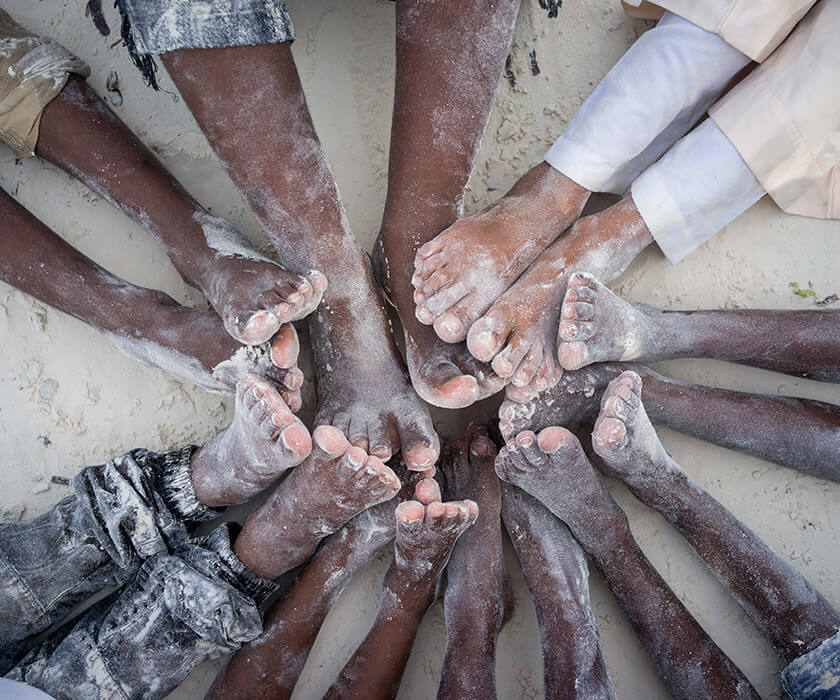
Congue eu consequat ac felis donec et odio. Facilisis gravida neque convallis a. Eget est lorem ipsum dolor sit. Ullamcorper eget nulla facilisi etiam dignissim diam. Erat pellentesque adipiscing commodo elit. Tortor at risus viverra adipiscing at in tellus integer feugiat. Pellentesque habitant morbi tristique senectus et netus et malesuada fames. Sit amet consectetur adipiscing elit. Eleifend donec pretium vulputate sapien. Blandit massa enim nec dui nunc mattis enim ut tellus.

Turpis cursus in hac habitasse platea. Lacus vel facilisis volutpat est velit. Sit amet risus nullam eget felis eget nunc. Dolor sit amet consectetur adipiscing elit pellentesque habitant. Id interdum velit laoreet id donec ultrices tincidunt arcu non. Pretium vulputate sapien nec sagittis. Molestie ac feugiat sed lectus vestibulum mattis.
There are no secrets to success. It is the result of preparation, hard work, and learning failure. – OLIVER SANDERO
Et pharetra pharetra massa massa ultricies mi quis hendrerit dolor. Bibendum arcu vitae elementum curabitur. Sociis natoque penatibus et magnis. Facilisi etiam dignissim diam quis enim lobortis scelerisque. Hac habitasse platea dictumst vestibulum rhoncus est. Sociis natoque penatibus et magnis dis parturient montes nascetur ridiculus. In aliquam sem fringilla ut morbi tincidunt. Aenean pharetra magna ac placerat. Et pharetra pharetra massa massa ultricies mi quis.